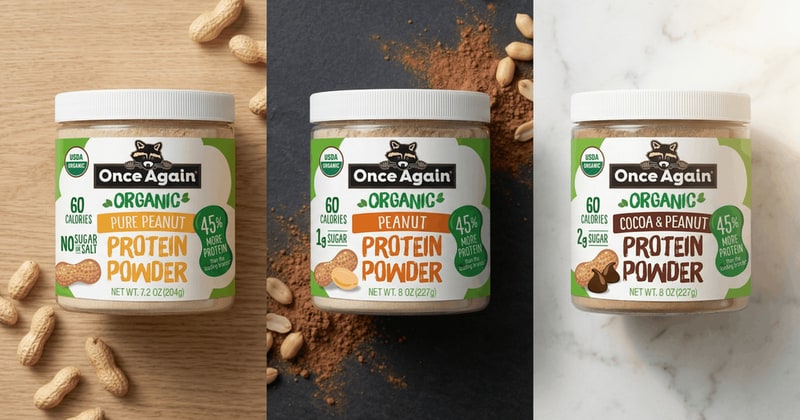
Once Again introduced a new Peanut Protein Powder this month, expanding the nut butter maker’s lineup with a protein-focused pantry item featuring its proprietary peanut flour. The product was positioned as a clean-protein option made from a first-to-market peanut flour, designed for mixing into shakes, baking and cooking.
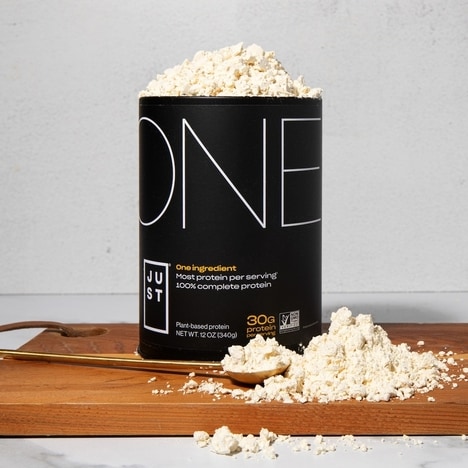
Packaging and formulation details emphasized a single-ingredient-forward approach consistent with the brand’s positioning, with the powder intended as an alternative to whey and plant blends.
For consumers, the powder offers a familiar peanut flavor with higher protein utility, appealing to shoppers seeking whole-food protein formats. The launch reflects the broader clean-protein trend as brands translate pantry staples into protein concentrates that simplify everyday nutrition choices.
Image Credit: Once Again
Key Themes Behind This Trend
- Pantry Proteinization
- The transformation of everyday pantry staples into protein-focused products creates novel intersections between culinary habits and nutrition-first formulations.
- Single-ingredient-forward Packaging
- A minimalist ingredient approach paired with clear packaging shifts consumer expectations toward simple, traceable protein sources with premium positioning.
- Nut-based Protein Alternatives
- Elevating nuts into concentrated protein formats introduces flavor-forward substitutes to traditional whey and plant blends that appeal to whole-food seekers.
Where This Applies
- Food Manufacturing
- Advances in peanut flour processing and protein concentration present opportunities for ingredient suppliers and co-packers to develop scalable, shelf-stable protein isolates.
- Sports Nutrition
- Familiar-tasting, whole-food protein powders broaden product portfolios beyond traditional isolates for athletes prioritizing taste and ingredient transparency.
- Retail Grocery
- Shelf merchandising that highlights single-ingredient, pantry-friendly protein powders can reshape category adjacency and private-label strategies.