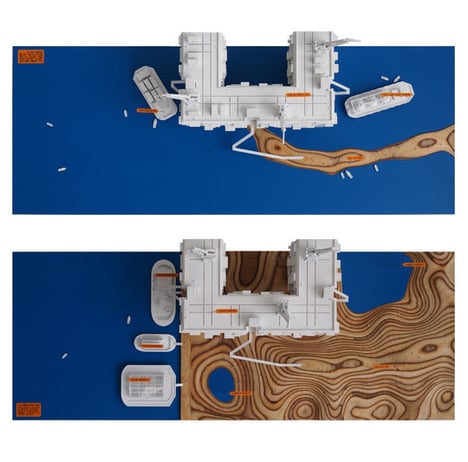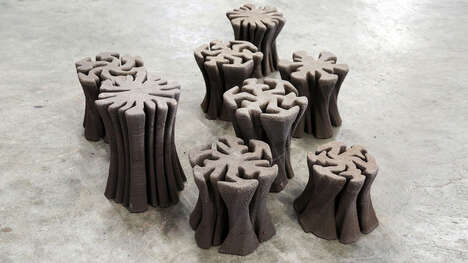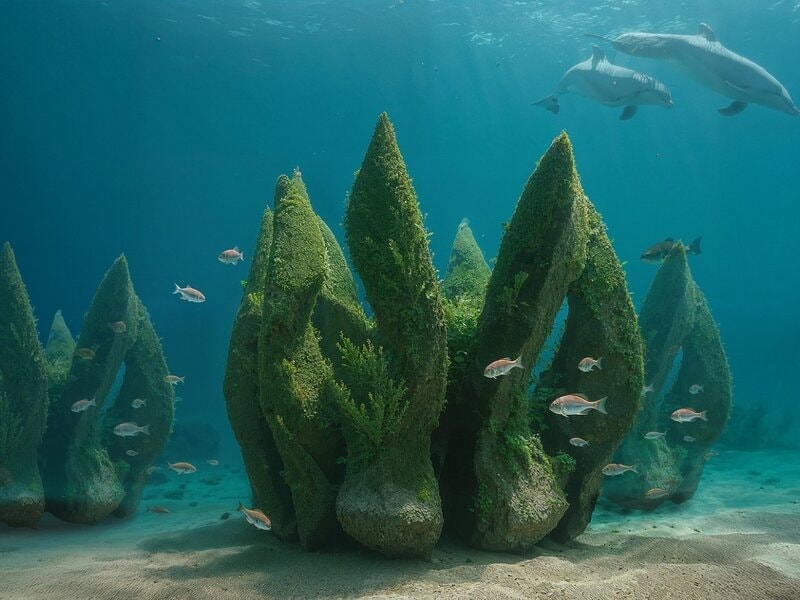
The Nereid marine habitat by Zaha Hadid Architects combines 3D printing, fluid architecture, and ecological research to support vulnerable underwater ecosystems. Created for Hong Kong’s North Lantau Marine Park, the design uses marine-grade, pH-neutral material that encourages the settlement of algae, shellfish, and other sea life. Its flowing geometry includes cavities and textured surfaces that echo coral formations, providing shelter for fish and invertebrates while protecting the seabed from trawling activity.
It is developed in partnership with marine scientists and technology institutions, the prototype is set to be deployed in a protected reserve. The structure is intended to restore biodiversity, strengthen habitat resilience, and support endangered species such as the Chinese White Dolphin. By linking architectural innovation with ecological function, the project demonstrates how design can extend below the surface of the ocean and contribute to urgent global restoration efforts.
Image Credit: Zaha?Hadid Architects (ZHA)
Why This Trend Is Growing
- 3d-printed Ecosystems
- The use of 3D printing to create complex, bio-mimicking structures opens new avenues for habitat restoration in marine environments.
- Fluid Architecture for Marine Life
- Adapting fluid architectural designs for underwater use presents opportunities to enhance and preserve diverse underwater ecosystems.
- Ph-neutral Materials for Ocean Restoration
- Employing marine-grade, pH-neutral materials in construction helps create sustainable environments that encourage marine biodiversity.
Industries Being Reshaped
- Marine Conservation Technology
- Advancements in marine conservation technology are expanding possibilities for protecting and revitalizing vulnerable ecosystems.
- Sustainable Architecture
- Integrating ecological considerations into architectural practices is transforming how structures can coexist with natural environments.
- Eco-materials Manufacturing
- Developing innovative materials suitable for ecological applications is key to advancing sustainability in large-scale environmental projects.