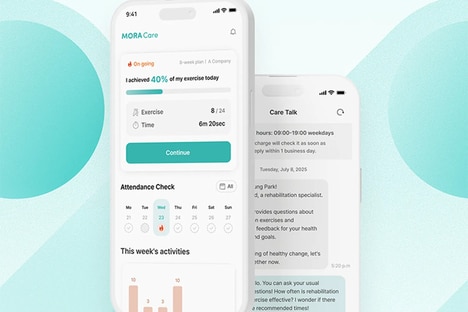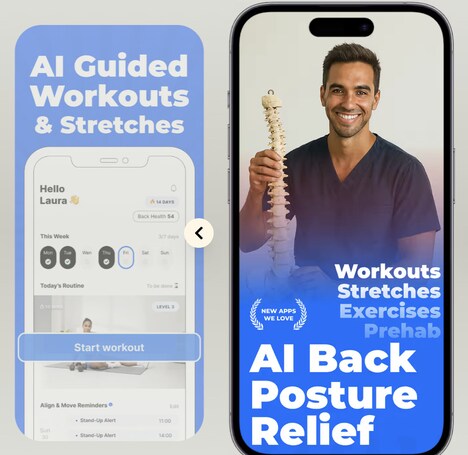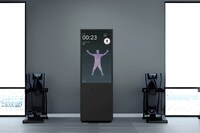

Kinaxa — "an innovator in software for physical therapy clinics" —has partnered with ASENSEI — "the leader in AI-powered 3D computer vision and real-time movement coaching" — to introduce an artificial intelligence‑powered movement assessment service for physical therapy clinics. This innovation requires nothing more than a smartphone or tablet to operate, thus making its deployment for businesses relatively low-effort.
The collaborative artificial intelligence‑powered movement assessment service uses computer vision technology to analyze how patients move in real time. This, in turn, transforms standard video capture into objective, data‑driven insights about mobility, form, and progress.
Blake Whitcomb, VP of Partnerships at ASENSEI, shared about this groundbreaking innovation: “Digital health leaders like Hinge Health and Sword Health have proven the power of computer vision in remote care. “ASENSEI and Kinaxa are extending that same standard to in-clinic therapy—helping every physical therapist deliver the same quality of insight, face-to-face. Together, we’re giving therapists tools that objectively assess movement, track progress, and document outcomes automatically—allowing them to focus on what they do best: delivering care.”
Image Credit: Kinaxa x ASENSEI
What Makes This Trend Stand Out
- Democratized Motion Analysis
- Widespread availability of smartphone-based computer vision makes clinically valid movement assessment accessible outside specialized labs, enabling scalable, low-cost monitoring of patient mobility.
- In-clinic Digital Augmentation
- Integration of real-time AI coaching into face-to-face therapy creates consistent, data-driven insights that reshape clinician workflows and outcome documentation.
- Outcome-driven Reimbursement Metrics
- Objective, automated tracking of movement and progress introduces standardized outcome data that can redefine value-based reimbursement and care validation.
Sectors Adopting This
- Physical Therapy Clinics
- Physical therapy clinics with embedded AI assessment gain standardized, objective movement metrics that challenge traditional subjective evaluations.
- Digital Health Platforms
- Digital health platforms incorporating 3D computer vision and real-time coaching can extend service portfolios from remote programs to hybrid, in-person care models with unified analytics.
- Medical Software and Devices
- Medical software and device vendors stand to replace or supplement specialized motion-capture hardware with app-based computer vision, compressing costs and deployment timelines.