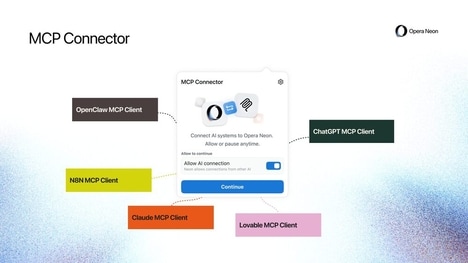

Medialister launched a Model Context Protocol (MCP) server that lets AI assistants interact directly with its editorial media marketplace, enabling brands and agencies to discover and book sponsored articles and guest posts via agents like ChatGPT, Claude, and Gemini. The new server connected AI agents to Medialister’s inventory and search filters, featuring criteria such as domain authority, geography, and price. This week’s rollout followed Medialister’s broader mission to streamline editorial placements that traditionally relied on email outreach.
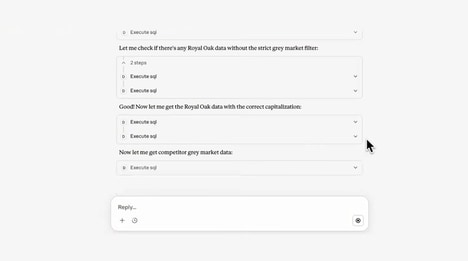
The platform aggregated publisher offerings and provided structured metadata for placements, with the MCP layer translating AI queries into marketplace searches and returning shortlists and pricing. Medialister was built by PRNEWS, drawing on its newsroom and tech background to index formats including press releases, native content, and newsletters. The launch aimed to preserve publisher control over approvals while speeding discovery.
For marketers the integration promises faster media planning and better alignment with SEO and budget constraints, turning hours of research into conversational prompts handled by AI agents. The shift signals editorial advertising moving toward programmatic-style workflows, where human teams focus on strategy and storytelling while AI handles initial sourcing and matching.
Image Credit: Medialister
Key Themes Behind This Trend
- AI-accessible Marketplaces
- By enabling conversational agents to discover and transact across inventory, this trend redefines buyer-seller interactions and compresses procurement cycles for editorial placements.
- Mcp-enabled Agent Integration
- The adoption of a Model Context Protocol that translates natural-language queries into structured marketplace searches creates new interoperability layers between AI assistants and commercial platforms.
- Programmatic Editorial Placements
- Shifting editorial advertising toward programmatic-style workflows introduces automated matching, pricing transparency, and scaled allocation of sponsored content opportunities.
Where This Applies
- Marketing and Public Relations
- Faster AI-driven discovery and booking of placements could alter agency staffing models by moving routine sourcing tasks to agents while elevating strategic storytelling roles.
- Publishing and Media
- Publishers stand to gain new revenue channels and negotiation dynamics as programmatic editorial inventory becomes exposed to autonomous buyers via standardized metadata and approvals.
- Search Engine Optimization and Content Strategy
- Greater alignment between AI-assisted media planning and SEO criteria may reshape content distribution strategies by prioritizing placements that deliver measurable organic visibility.