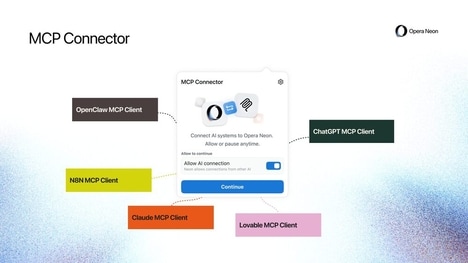

Epic Games introduced an experimental Model Context Protocol (MCP) plugin for Unreal Engine as part of the Unreal Engine 5.8 release and previewed plans for UE6. The MCP enables developers to connect external generative AI models, including Claude and Gemini, directly to core Unreal Engine systems, supporting workflows that automate content creation and scene adjustments.
Epic demonstrated Claude Code placing assets from a library into a virtual environment and modifying city layouts, lighting and atmospheric conditions. The company said the plugin can access blueprints, assets, levels, materials and meshes, while UE6 will introduce integrated bring-your-own-model workflows and merge Unreal Engine and UEFN into a single platform.
For developers and studios, the technology is designed to reduce repetitive content authoring and accelerate iteration, allowing teams to focus more on creative development. The update reflects the growing integration of generative AI into game production workflows.
Image Credit: Epic Games
Part of the cluster
Creative Copilots
Generative AI is being packaged as editable support for creative production
Explore the cluster



What's Driving This Trend
- AI-native Game Development
- Generative models embedded inside game engines create new potential for faster prototyping, lower production costs, and more adaptive creative pipelines.
- Model-connected Creation Tools
- External AI systems linked to core software functions signal a shift toward interoperable workflows where teams can customize automation around proprietary assets and processes.
- Automated Virtual Worldbuilding
- Scene layout, lighting, asset placement, and environmental variation become scalable creative functions as AI-assisted tools reduce manual iteration in complex digital spaces.
Who This Affects Most
- Video Game Development
- Studios gain new avenues for compressing production timelines and expanding content volume through AI-assisted level design, asset management, and gameplay environment iteration.
- 3D Design Software
- Creative platforms face disruption as model-context integrations turn static authoring tools into intelligent systems that understand project structures and manipulate visual assets directly.
- Virtual Production
- Film, television, and immersive media pipelines can benefit from AI-driven scene adjustment and real-time environment generation within engine-based production workflows.