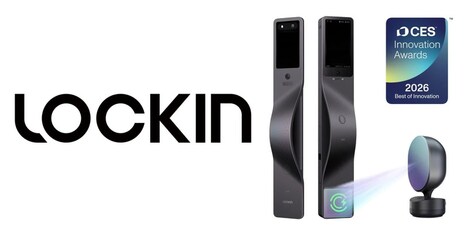
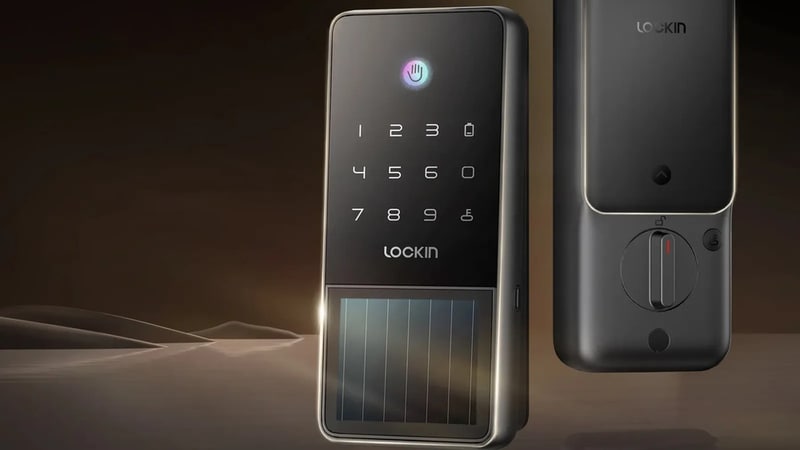
The Lockin Veno Solar smart lock is a new piece of smart home hardware that's engineered to offer consumers an ultra-simple way to enjoy the benefits of connected security components.
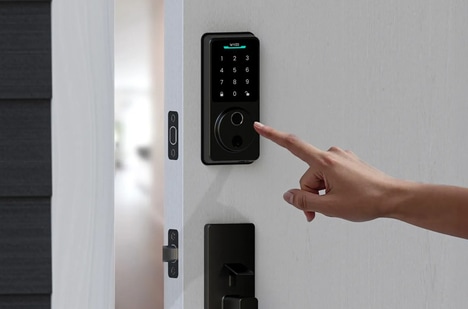
The smart lock comes in two models including one with facial recognition and another with palm vein reading, which are each equipped with five additional ways for locking and unlocking. The Matter-compatible smart locks are each equipped with small solar panels that will capture enough power over the course of four hours to offer a whole day of use. The solar functionality is also rated to work in most weather conditions to continue passive charging at all times.
The Lockin Veno Solar smart locks will make their market debut in June starting at $199.
Image Credit: Lockin
What Makes This Trend Stand Out
- Solar-powered Authentication
- Integration of photovoltaic charging into biometric access devices reduces maintenance needs and enables always-on authentication in low-power or off-grid environments.
- Biometric-multimodal Locks
- Combining facial recognition, palm-vein scanning and multiple fallback methods creates resilient identity verification pathways that challenge traditional key- and battery-dependent entry systems.
- Matter-compatible Smart Home Integration
- Native support for interoperable standards like Matter promotes seamless ecosystem connectivity that could displace proprietary lock platforms and centralize access control within broader home automation networks.
Sectors Adopting This
- Residential Security
- Home security products incorporating self-sustaining power and multimodal biometrics can shift consumer expectations toward low-maintenance, always-available locking solutions.
- Property Management & Rentals
- Short-term rental operators and landlords may benefit from scalable, battery-free access systems that simplify guest turnover and materially reduce maintenance costs across large portfolios.
- Iot Device Manufacturing
- Manufacturers of connected devices stand to gain by integrating energy-harvesting features and open-standard compatibility to lower long-term ownership costs and foster cross-vendor ecosystems.