
Biostime — a children's nutrition brand and subsidiary of the Health & Happiness Group — has launched the 'Active Little Gut' campaign, which is timed to coincide with World Microbiome Day on June 27.
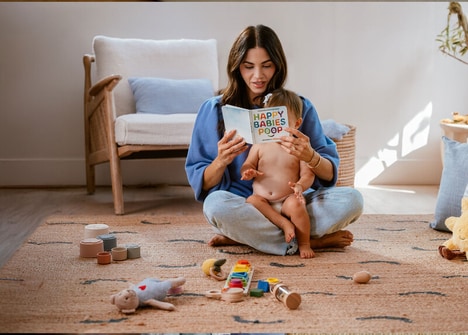
Through this initiative, Biostime aims to educate parents about the critical role that the gut microbiome plays during the first 1,000 days of a child's life. This period of rapid development is known to influence digestion, immune function, and overall wellness. Biostime's 'Active Little Gut' campaign emphasizes that a baby's gut begins essentially sterile at birth and is progressively populated by microorganisms through factors such as delivery method, feeding choices, antibiotic exposure, environmental interactions, and the introduction of solid foods. The company notes that nearly 70% of the immune system resides in the gastrointestinal tract.
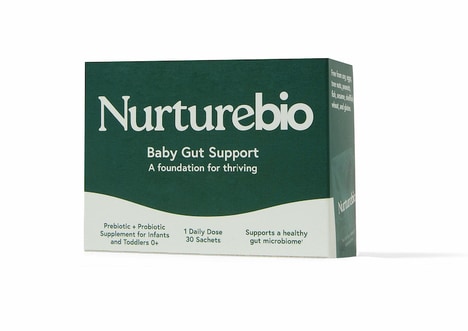
Biostime's educational approach breaks down the building blocks of gut health into three categories — probiotics, which are live beneficial bacteria that replenish the gut's microbial population; prebiotics, which serve as specialized nourishment for these bacteria; and synbiotics, which combine the two in strategic formulations designed to maximize their complementary effects.
Image Credit: Biostime
Why This Trend Is Growing
- Infant Microbiome Education
- Parent-facing microbiome literacy creates space for science-backed content ecosystems that translate early-life gut development into accessible wellness guidance.
- First-1,000-day Nutrition
- The developmental importance of the first 1,000 days is expanding demand for nutrition products linked to digestion, immunity, and long-term child wellness.
- Synbiotic Formulation Platforms
- Combined probiotic and prebiotic solutions are becoming a differentiated format for infant and toddler nutrition positioned around microbial balance and functional efficacy.
Industries Being Reshaped
- Children's Nutrition
- Early-life gut health messaging is reshaping children's nutrition around targeted formulations that connect feeding choices with immune and digestive development.
- Digital Health Education
- Campaign-led health education offers digital platforms a pathway to simplify microbiome science through parent-centered tools, explainers, and milestone-based learning.
- Probiotic Supplements
- Growing awareness of beneficial bacteria is strengthening the probiotic supplement market with room for age-specific products supported by clearer microbiome evidence.