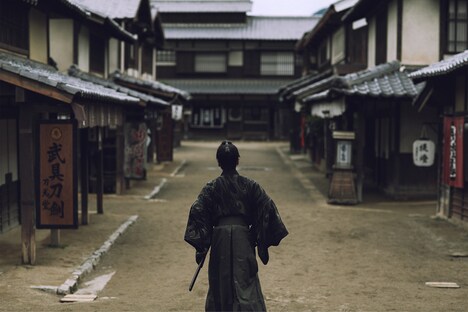
EF Adventures introduces the 'Japan Multi-Adventure: The Japanese Alps & Shikoku,' a 12-day journey (or 14 days with a Kyoto extension) designed to reveal Japan’s quieter, lesser-traveled side beyond its bustling metropolises. Priced from $6,899 before flights, the itinerary combines hiking, cycling, rafting, and cultural exploration, offering a balance of activity and reflection across varied landscapes.
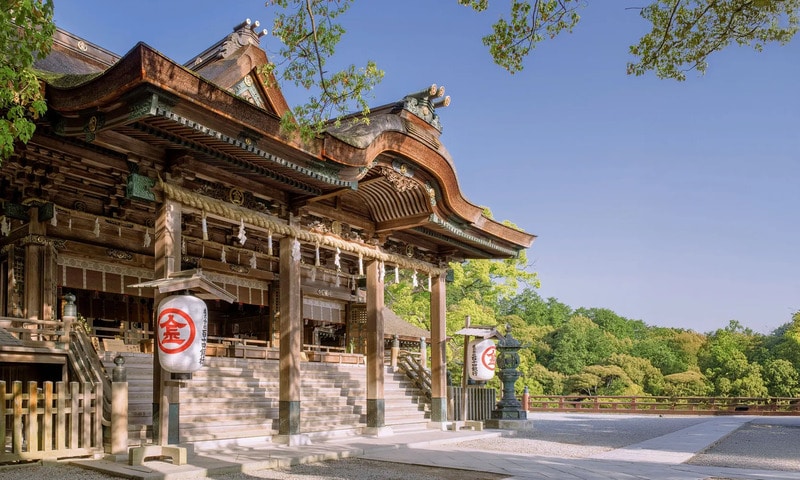
From "the alpine beauty of Kamikochi’s mountain valleys to the island-hopping bridges of the Seto Inland Sea, travelers encounter Japan’s natural and cultural contrasts." Highlights include "paddling on Lake Nojiri, rafting through the Oboke Gorge, climbing 1,368 steps to Konpira Shrine, and cycling the world-renowned Shimanami Kaido."
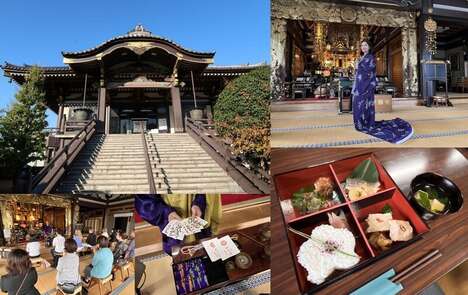
Immersive experiences round out the adventure: stays in boutique ryokans, soaks in Dōgo Onsen, explorations of Himeji Castle, and meals ranging from Osaka’s lively street snacks to refined kaiseki cuisine. The result is a journey that celebrates Japan’s rhythm, heritage, and quiet beauty.
Image Credit: EF Adventures
Why This Trend Is Growing
- Multi-adventure Travel Packages
- Travel companies are offering multi-adventure travel packages that blend physical activities with cultural experiences, creating opportunities for curated, balanced itineraries that cater to the adventurous spirit while appreciating local heritage.
- Lesser-known Destination Tours
- An increasing focus on lesser-known destination tours allows travelers to experience regions often overshadowed by popular hotspots, opening up novel travel narratives and preserving unique cultural environments.
- Cultural-immersive Experiences
- Providing cultural-immersive experiences through local accommodations, traditional dining, and historic site visits enables tourists to engage deeply with a destination's authentic lifestyle and heritage.
Industries Being Reshaped
- Adventure Tourism
- The adventure tourism industry can innovate by combining high-adrenaline activities like rafting and cycling with cultural insights and local interactions, crafting unique traveler experiences.
- Cultural Heritage Tourism
- The cultural heritage tourism sector is poised to grow as travelers seek enriching journeys that explore authentic history and culture, encouraging preservation and awareness of regional traditions.
- Eco-friendly Accommodations
- Demand for eco-friendly accommodations such as boutique ryokans underscores a shift towards sustainable tourism practices that prioritize environmental responsibility and cultural authenticity.