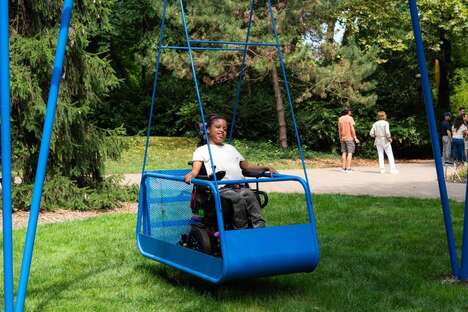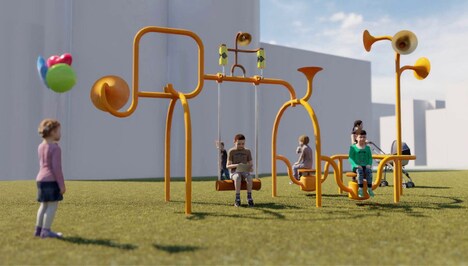
Brighton Area Schools has initiated a district-wide conversation about inclusive playground design following its decision to install fully accessible equipment at Hawkins Elementary. The approved $187,000 project features a rubberized surface that provides greater mobility for students with disabilities. This rubberized surface is superior to traditional wood — both chip and hybrid alternatives.
This development prompted board members to reconsider plans for another elementary school's playground donation, debating whether to modify the proposed wood-chip surface to meet universal accessibility standards despite no current students at that location requiring such accommodations. The discussion reveals evolving priorities in educational infrastructure that balance immediate needs with forward-looking inclusivity, particularly regarding how temporary funding opportunities might align with long-term accessibility goals.
Image Credit: Brighton Area Schools
Key Themes Behind This Trend
- Universal Playground Accessibility
- The push for playgrounds that cater to all abilities is gaining momentum as schools prioritize inclusivity over temporary funding constraints.
- Rubberized Surfaces in Schools
- The adoption of rubberized surfaces in playgrounds signifies a shift towards safer and more accessible playing environments.
- Proactive Infrastructure Planning
- Schools are increasingly focusing on future-proofing playground designs, aligning with evolving inclusivity norms rather than immediate student demographics.
Where This Applies
- Educational Infrastructure
- The educational infrastructure industry is identifying inclusive design as a critical component, prompting innovation in school planning and construction approaches.
- Playground Equipment Manufacturing
- In response to growing demands for accessibility, playground equipment manufacturers are innovating with materials and designs to create inclusive play spaces.
- Urban Development and Planning
- Urban development and planning industries see an opportunity to integrate inclusive features into public spaces, influenced by the evolving expectations within educational environments.