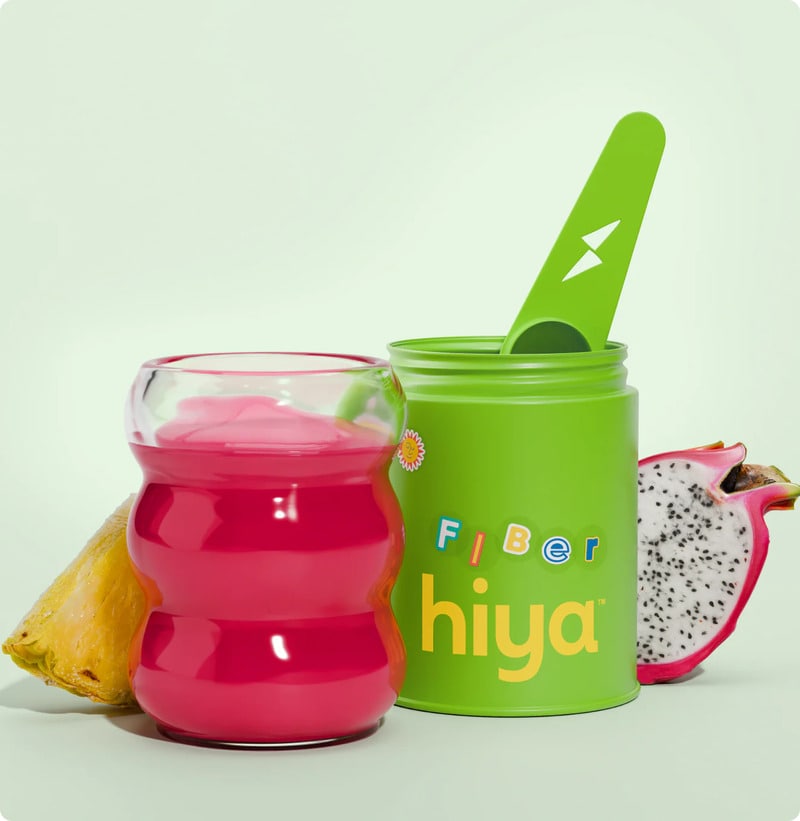
Parents and caregivers sometimes struggle to ensure kids get enough fiber, as children typically resist high-fiber foods like vegetables, whole grains, and legumes in favor of refined carbs and processed snacks that offer little nutritional value, but Hiya Kids Daily Fiber+ was developed to give little ones more of what they need.
Every serving of the sugar-free Kids Daily Fiber drink powder provides six grams of fiber from ingredients like organic insulin, vegetable fiber, psyllium husk and dragon fruit, which makes the product not only benefit-packed but enticing in color. This new fiber-focused drink powder for kids by Hiya is launching in an island punch flavor, offering a fun way to support hydration, satiety and comfort simultaneously.
What Makes This Trend Stand Out
- Child-friendly Nutritional Supplements
- The emergence of appealing, fiber-rich drink powders for children reflects a broader movement towards making nutritional supplements more palatable and engaging for younger audiences.
- Colorful Nutrition Solutions
- Brightly colored health products, like the dragon fruit-enhanced drink, appeal to children's visual interests, leading to greater acceptance and enjoyment of nutritious solutions.
- Fiber-focused Diets
- The focus on fiber-rich products highlights an increasing consumer awareness of dietary fiber's benefits for digestive health and overall wellness in children's diets.
Sectors Adopting This
- Functional Beverage Market
- This new fiber-rich kids drink powder joins the functional beverage industry, showcasing a shift towards targeted nutrition solutions in drinkable forms.
- Child Nutrition Products
- The creation of visually appealing and health-focused products for kids indicates an evolving sector within child nutrition aimed at solving common dietary deficiencies.
- Health Supplements
- Innovations like sugar-free, fiber-rich supplements for kids reflect the industry's response to parental concerns over sugar intake and nutritional adequacy.