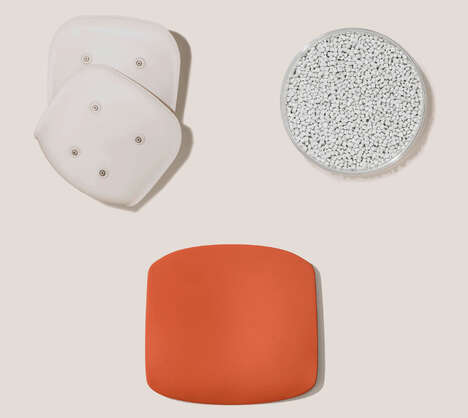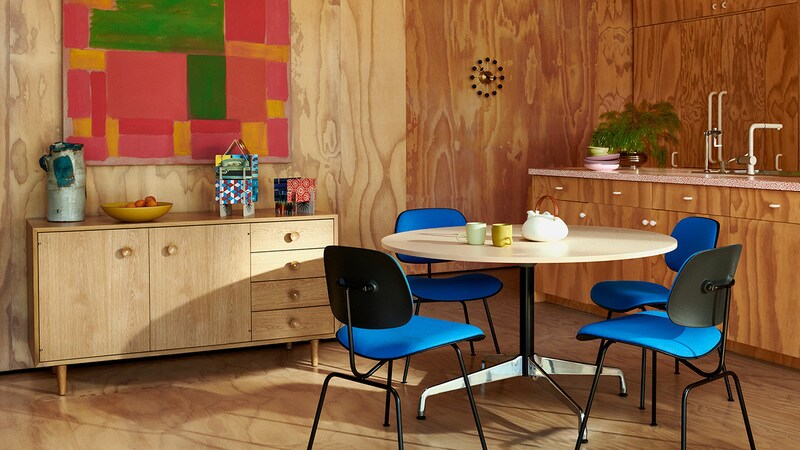
The Herman Miller EC-127 Eames chair receives a 2025 refresh that keeps its iconic form while making material choices more sustainable. First introduced in 1970, the Molded Plastic Dining Chair now comes in a version made from 99 percent post-industrial recycled plastic. For the first time there is also a non-upholstered shell option designed for high-traffic environments such as schools, offices and restaurants. Upholstered options continue to be available for users seeking added comfort and personalization.
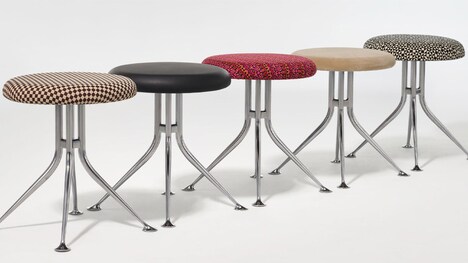
Finishes include four shell colours and six leg tones ranging from classic chrome, black or white to vibrant powder-coated shades like blaze, marigold, and berry blue. Upholstery choices bring back patterns like Alexander Girard’s Hopsak, tying the update to the original mid-century palette. Through this renewal, Herman Miller extends the Eames legacy of experimentation and material innovation, demonstrating how a design classic can evolve to meet contemporary ecological and functional demands.
Image Credit: Herman Miller
What's Driving This Trend
- Eco-friendly Design
- With a shift towards utilizing 99% post-industrial recycled materials, sustainable design practices are redefining the furniture industry.
- Non-upholstered Options
- Introducing non-upholstered shells for high-traffic environments highlights a move towards practicality and long-term durability.
- Color Innovation in Furniture
- The inclusion of vibrant powder-coated finishes illustrates an intersection of classic design and modern aesthetic demands.
Who This Affects Most
- Sustainable Furniture Manufacturing
- Harnessing recycled materials to create iconic designs presents an avenue for innovation in eco-conscious production methods.
- Contract Furniture for Public Spaces
- Designing for high-use environments like schools and offices entails creating resilient, easy-to-maintain furnishings that cater to large-scale demand.
- Home Décor and Interior Design
- The marriage of retro patterns with modern ecological aesthetics is reshaping consumer expectations in stylish yet sustainable home furnishings.