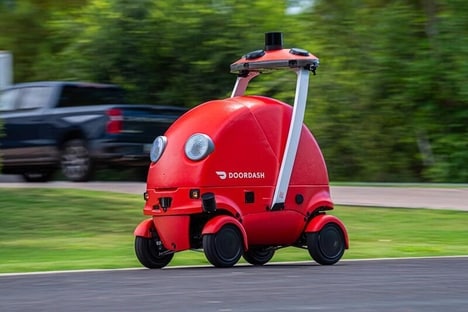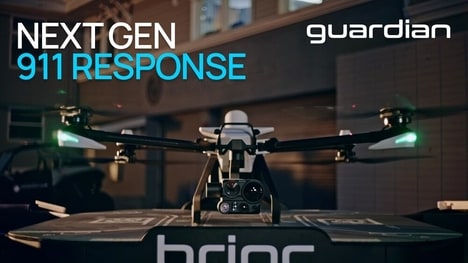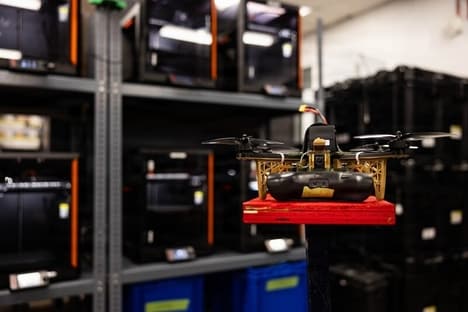
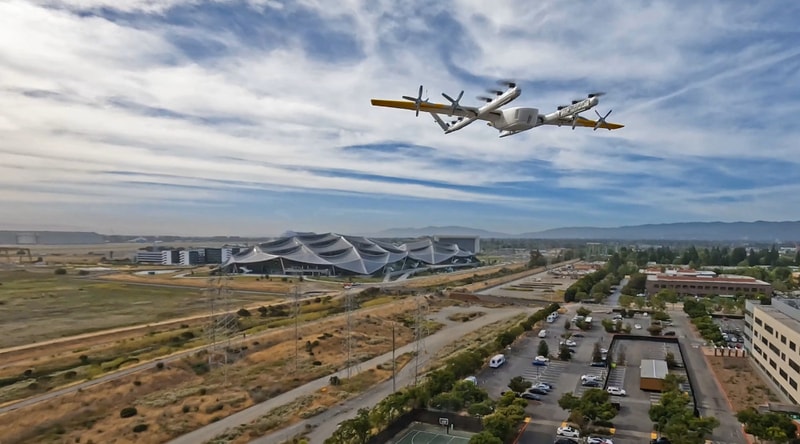
Wing is expanding autonomous drone delivery services into urban environments, enabling faster and more efficient last-mile logistics for everyday goods. With the ability to deliver small packages such as groceries and household items in under 30 minutes, the system reflects a shift toward on-demand fulfillment powered by aerial automation. By integrating with retail partners like Walmart and operating across multiple metropolitan areas, the service demonstrates how drone delivery is moving beyond pilot programs into scalable infrastructure.
This approach has the potential to reduce delivery times, lower labor costs, and improve operational efficiency for retailers. It also creates new opportunities for companies to meet rising consumer expectations for speed and convenience. As regulatory approvals expand and technology matures, drone-based logistics could reshape urban supply chains, allowing businesses to optimize distribution networks while offering faster, more flexible delivery options.
Image Credit: Wing
Why This Trend Is Growing
- Aerial Last-mile Delivery
- Enables sub-30-minute fulfillment for small goods via autonomous vehicles, presenting a pathway to replace traditional ground-based courier models in dense cities.
- Retail-logistics Integration
- Reflects tighter operational coupling between retailers and delivery networks, creating potential for inventory placement and order flow to be redesigned around rapid aerial dispatch.
- Urban Airspace Commercialization
- Creates demand for managed low-altitude corridors and digital traffic systems, which could transform airspace into a regulated utility layer for commerce.
Industries Being Reshaped
- E-commerce Retail
- Faces opportunities to differentiate on delivery speed and convenience by embedding drone services into product assortments and fulfillment promises.
- Logistics and Supply Chain
- Stands to be rearchitected with micro-distribution nodes and autonomous fleet coordination that reduce reliance on traditional trucking for final-mile flows.
- Urban Infrastructure and Planning
- Needs to adapt zoning, rooftop logistics, and public safety frameworks to accommodate takeoff/landing hubs and persistent low-altitude operations.