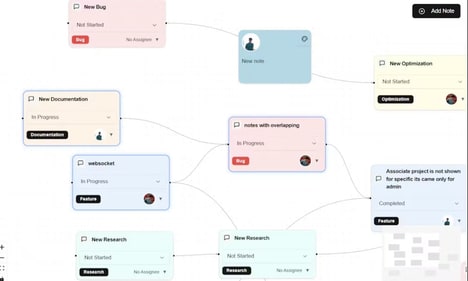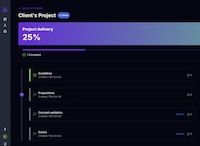

Conos is a project management platform purpose-built for building design and construction projects. It centralizes collaboration, documentation, and defect management to support teams working across complex, multi-stakeholder environments.
The platform enables real-time coordination between designers, contractors, and project managers, helping ensure that information remains accurate and accessible throughout the project lifecycle. Key functionality includes tracking defects, managing project content, and monitoring progress in a shared workspace. From a business perspective, Conos addresses common industry challenges such as fragmented communication, manual defect tracking, and misaligned stakeholders. By streamlining workflows and improving visibility, the platform supports more predictable project delivery and operational efficiency. Conos is positioned as a coordination and execution tool that helps construction teams reduce friction, improve accountability, and maintain alignment across all phases of a project.
Image Credit: Conos
Why This Trend Is Growing
- Centralized Collaboration Hubs
- A unified platform that consolidates communication, documents, and decision histories across stakeholders creates new potential for seamless coordination and reduced rework in complex projects.
- Real-time Defect Management
- Instant tracking and visibility of defects across teams enables predictive quality control and tighter integration between design intent and field execution.
- Shared Project Workspaces
- Persistent, versioned workspaces that reflect live project status open possibilities for accountable handoffs and automated progress validation throughout the build lifecycle.
Industries Being Reshaped
- Construction Tech Platforms
- Integrated coordination tools position platform providers to disrupt traditional point solutions by offering end-to-end workflows that reduce administrative overhead and error rates.
- Architecture and Design Firms
- Design teams with access to synchronized project data can shift toward more measurable design-for-construction approaches that minimize downstream changes and claims.
- General Contractors and Builders
- Contractors operating on centralized systems are able to reconfigure subcontractor coordination and site supervision models around real-time accountability and streamlined defect resolution.