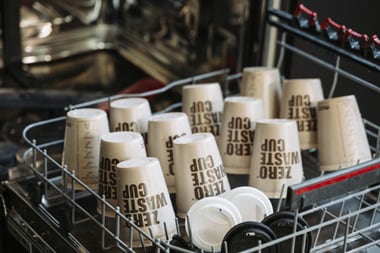
Borealis and FSG Returnables introduced a reusable cup system across Northamptonshire Healthcare NHS Foundation Trust hospital cafés, featuring polypropylene cups designed for repeated use. The rollout supplied durable, lightweight cups that integrate with FSG’s return-and-wash logistics to replace single-use disposables.
The program aimed to cut waste on-site and reduce Extended Producer Responsibility (EPR) costs for the trust. The cups were selected for material resilience and compatibility with existing washing infrastructure, with Borealis providing the polypropylene feedstock and FSG managing collection and sanitation.
Staff and visitors can borrow, return and reuse cups via the trust’s café network, reducing landfill and lowering procurement of single-use items. The initiative matters because it pairs material innovation with operational systems, offering hospitals a practical path to lower plastic waste and EPR liabilities while keeping service convenience intact.
Image Credit: Borealis
Key Themes Behind This Trend
- Circular Hospital Consumables
- Integration of reusable polypropylene cups with on-site washing infrastructure highlights the shift toward closed-loop consumable systems that reduce landfill waste and EPR liabilities.
- Return-and-wash Logistics
- A coordinated borrow-return-sanitize model demonstrates logistics-driven resource recirculation that can scale service convenience while minimizing single-use procurement.
- Material-systems Compatibility
- Selection of resilient polypropylene matched to existing sanitation equipment underscores opportunities for material innovation that aligns with operational workflows to accelerate adoption.
Where This Applies
- Healthcare Foodservice
- Hospital cafés adopting reusable cup programs point to possibilities for service providers to offer hospitality experiences that materially reduce plastic consumption and EPR costs.
- Waste Management and EPR Compliance
- Trusts and waste operators integrating returnable systems reveal pathways to lower regulatory fees and reshape post-use value chains through durable-product recirculation.
- Procurement and Supply Chain
- Central procurement swapping single-use items for durable, wash-compatible products indicates demand for suppliers and logistics partners that support lifecycle-oriented purchasing.