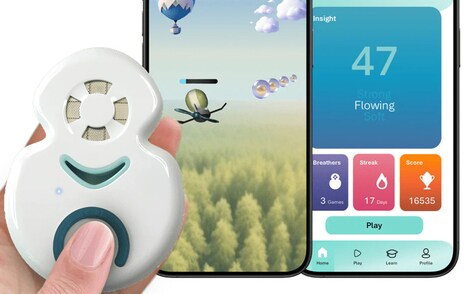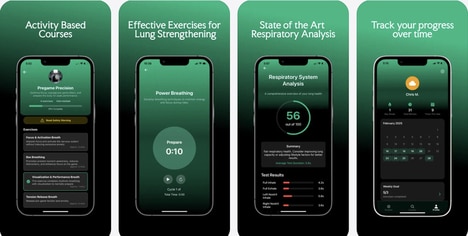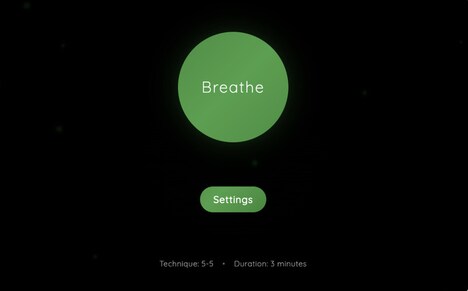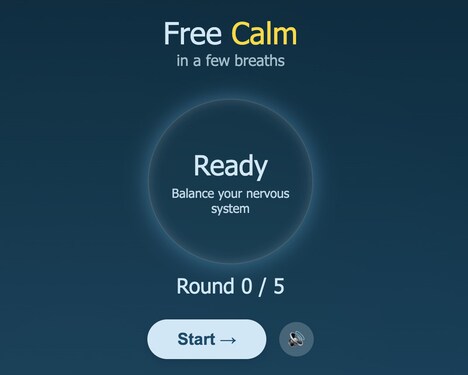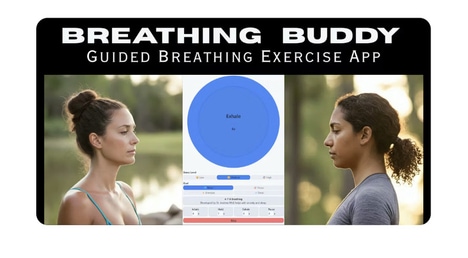
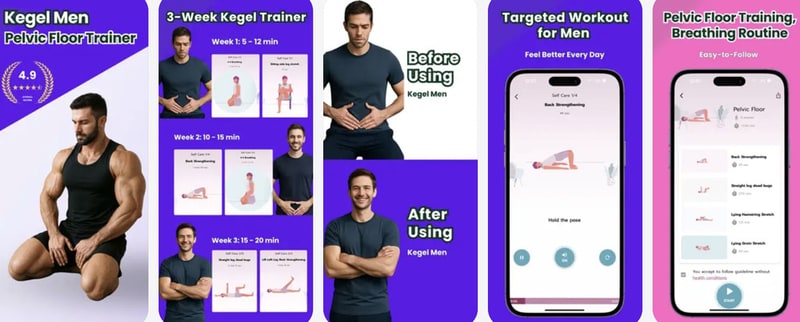
BioBreathe is a breathing and pelvic training tool designed to help users evaluate and improve respiratory patterns through structured exercises. Built around simple, science-informed principles rather than advanced technology or artificial intelligence, the platform focuses on assessment, guided practice, and repetition to encourage healthier breathing habits.
Users begin by analyzing breathing patterns and then follow targeted exercises aimed at improving control, efficiency, and physical awareness. The inclusion of pelvic training reflects growing recognition of the connection between breathing mechanics, posture, and core stability. From a business perspective, BioBreathe represents a category of wellness products prioritizing accessibility and practical outcomes over technological complexity. Its development also highlights a trend toward niche, purpose-driven health tools created to address specific personal or functional needs while appealing to consumers seeking preventative and self-managed wellness solutions.
Image Credit: BioBreathe
Why This Trend Is Growing
- Functional Micro-wellness Devices
- A shift toward compact, single-purpose wellness tools that prioritize measurable outcomes over feature bloat presents opportunities for devices that deliver targeted respiratory and core-training feedback in everyday settings.
- Data-light Evidence-based Solutions
- Growing consumer trust in simple, science-informed products creates space for offerings that leverage validated assessment protocols without relying on complex AI or heavy data collection.
- Integrated Pelvic-breathing Therapy
- Recognition of the biomechanical link between pelvic function and respiration opens pathways for combined training programs that address posture, core stability, and breathing mechanics in a unified modality.
Industries Being Reshaped
- Consumer Health Wearables
- Wearable makers can benefit from embedding straightforward respiratory sensors and guided-exercise feedback to serve users focused on functional breathing improvements rather than wellness gamification.
- Physical Therapy and Rehabilitation
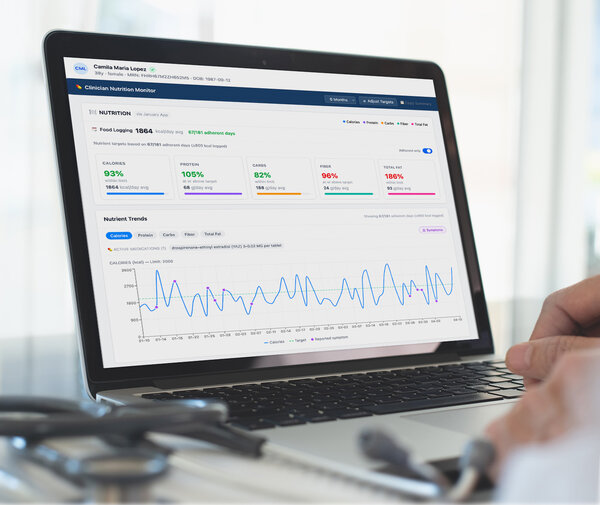
- Clinics and rehab providers may incorporate low-tech, protocol-driven breathing and pelvic tools to augment therapy regimens and monitor patient progress outside appointments.
- Preventive Healthcare Services
- Providers focused on prevention could offer scalable assessment-and-training packages centered on breathing mechanics to reduce risk factors related to posture, stress, and core dysfunction.