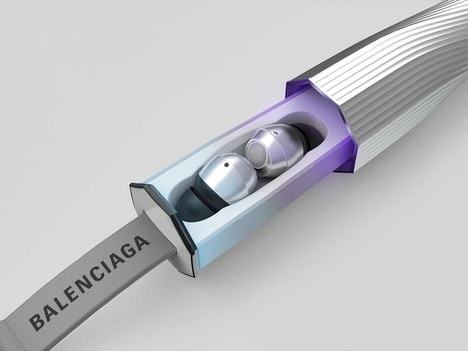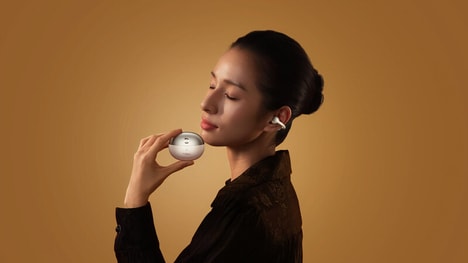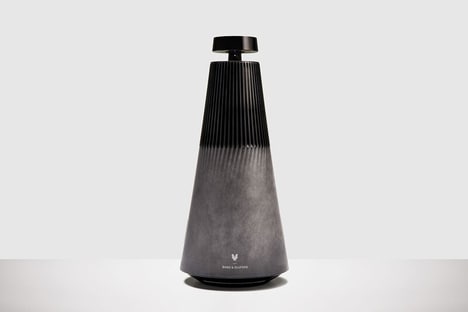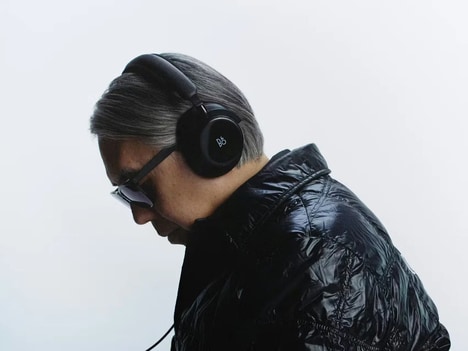
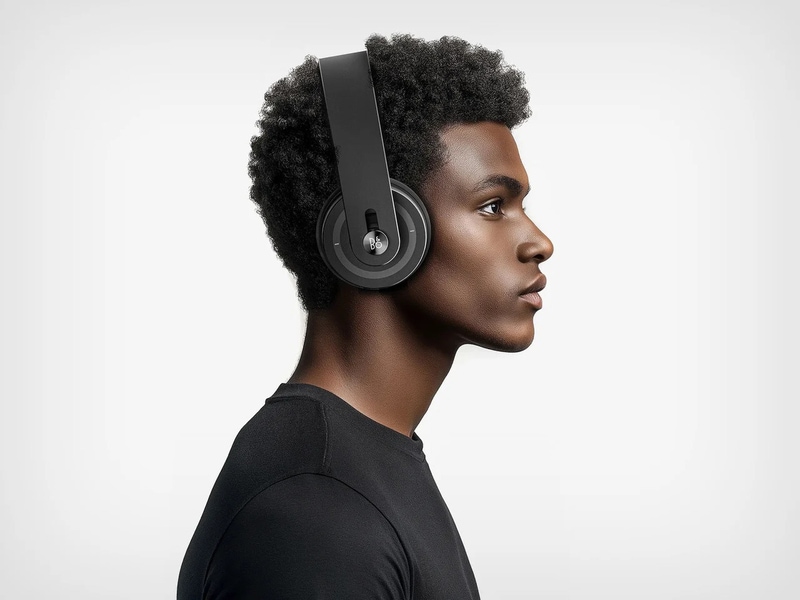
The Bang & Olufsen ONCE concept is a headphone model designed by Bas Kamp as a hyper-customized mobile audio solution that takes the personal nature of the tech accessory to heart. The headphones combat against the one-size-fits-all design that most accessories take and come with a precision tool for tightening the band to the aluminum cylinder. This will lock the headphones to the user's own head upon calibration to create a deeper connection than one might otherwise have with the audio equipment.
The Bang & Olufsen ONCE concept headphones also keep important design details in mind like maintaining an industrial aesthetic with an aluminum build, but only using genuine leather on the points that make contact with the user's head. The headphones also imagine a real-time artificial intelligence (AI) translation feature right out of the box.
What's Driving This Trend
- Hyper-customization in Wearables
- Personal-fit hardware and materials tailored to individual anatomy create opportunities for products that deliver superior comfort and perceived emotional attachment.
- Tool-calibrated Personalization
- Precision mechanical calibration paired with user-specific settings enables devices that physically adapt to a single user's body for enhanced performance and security.
- Integrated Real-time AI Translation
- Onboard AI translation embedded in consumer devices opens pathways for seamless multilingual interactions without reliance on external apps or cloud latency.
Who This Affects Most
- Consumer Audio
- High-end headphone makers can differentiate through bespoke fit, premium materials, and embedded AI features that redefine user experience and product value.
- Luxury Accessories
- Artisanal materials combined with precision engineering suggest a market for premium, personalized tech-fashion hybrids that carry higher margins and brand loyalty.
- Translation Technology
- Edge-native translation engines integrated into personal devices indicate a shift toward offline, low-latency language services that broaden accessibility in everyday contexts.