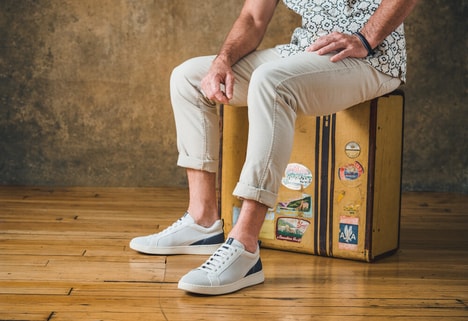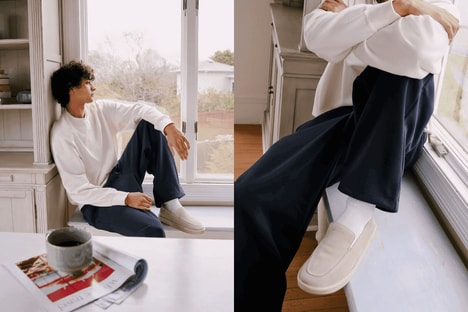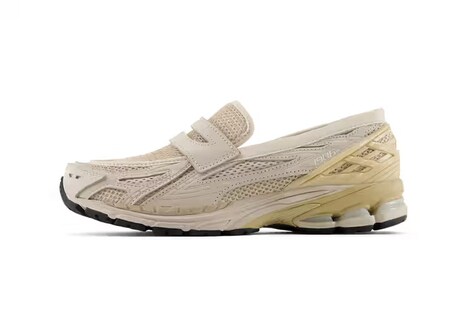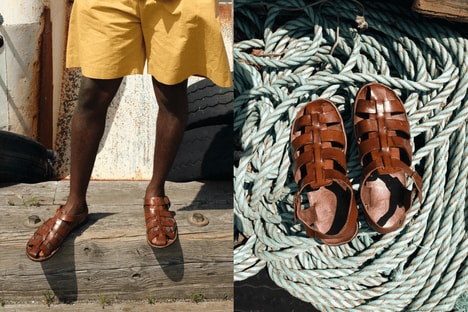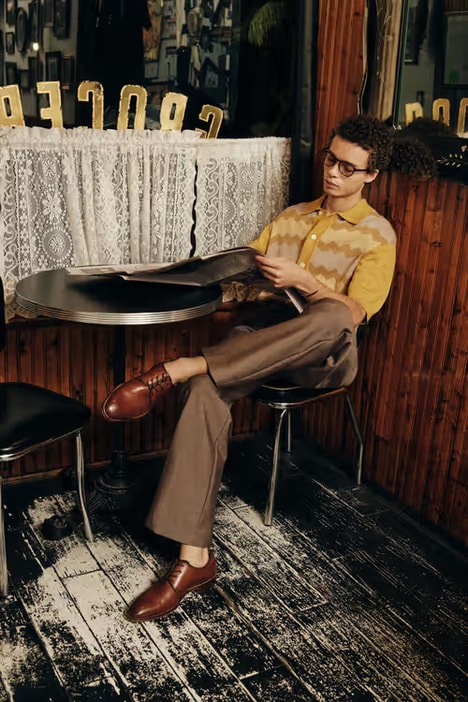
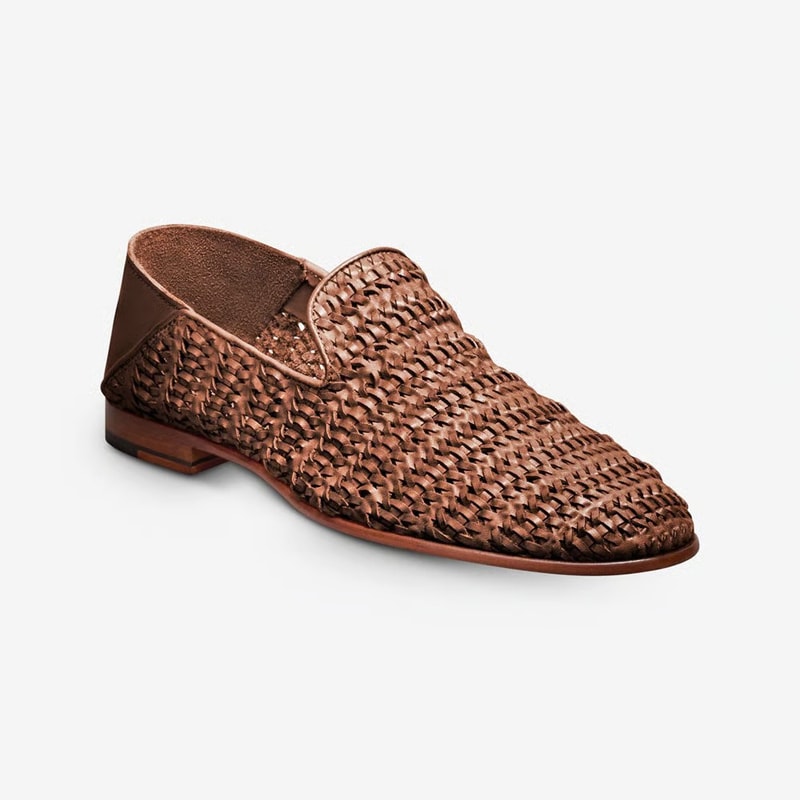
The Allen Edmonds Summer 2026 collection leans into its legacy of American craftsmanship and features a lineup of refined warm-weather footwear designed to balance timeless style with everyday versatility. Founded in 1922, the heritage shoemaker has built its reputation on premium materials, meticulous construction, and classic silhouettes.
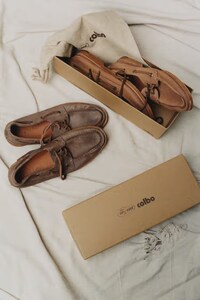
The new collection introduces elevated seasonal styles including the Portofino Slip-On Loafer, Panama and Aruba Boat Shoes, and the Banks Court and Ludlow Sneakers. While rooted in traditional menswear design, the assortment incorporates modern comfort-focused details such as lightweight construction and elastic lace systems, making the shoes adaptable for both casual and polished summer dressing.
With prices ranging from $350 to $395, the collection positions itself within the growing “investment dressing” movement, where consumers prioritize durability, versatility, and craftsmanship in their purchases. The timeless appeal and everyday functionality of the styles also make the lineup particularly well-suited for Father’s Day gifting, offering pieces designed to be worn for years rather than just seasons.
Image Credit: Allen Edmonds
What's Driving This Trend
- Craftsmanship-forward Investment Dressing
- Rising consumer preference for durable, versatile wardrobe staples opens possibilities for products whose longevity and provenance compete with fast-fashion volume.
- Modernized Heritage Footwear
- Blending traditional construction with contemporary comfort features suggests new categories of elevated casual shoes that bridge formal and leisure wear.
- Comfort-integrated Luxury Basics
- Integration of lightweight materials and ergonomic details into classic silhouettes points to offerings that redefine premium everyday essentials around wearability.
Who This Affects Most
- Luxury Footwear Retail
- Retail formats focused on curated, high-quality collections could shift market dynamics by centering provenance, limited runs, and aftercare as core value drivers.
- Premium Materials Manufacturing
- Suppliers of advanced leathers, breathable textiles, and sustainable components may enable disruptive product lines that combine heritage aesthetics with modern performance.
- Direct-to-consumer Heritage Brands
- Brands that control storytelling and distribution can reshape consumer expectations through transparent supply chains and lifetime-focused product propositions.