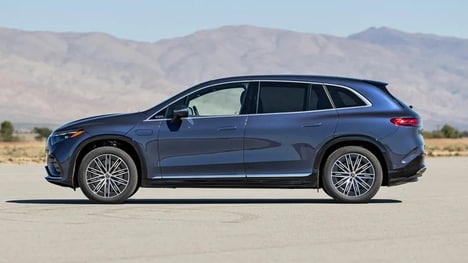
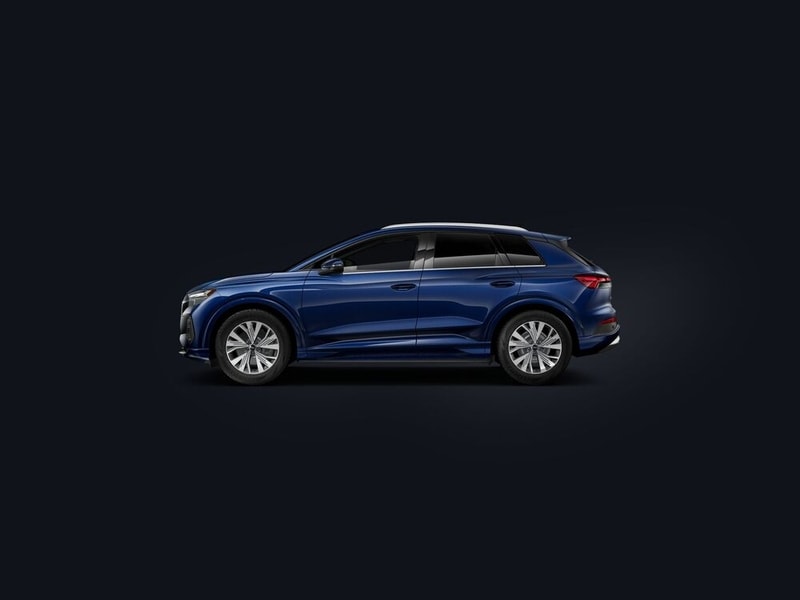
The 'Audi Q4 e‑tron' is a refreshed electric SUV that updates the brand’s compact EV format with changes focused on lighting, cabin technology, and charging performance.
Well and truly positioned as an electric compact SUV, the 'Q4 e‑tron' retains its familiar proportions while introducing hardware and software updates intended to improve daily usability without compromising on its well-recognized identity.
One of the most visible changes appears in the lighting system. The front incorporates segmented LED daytime running lights while the rear gains second‑generation OLED tail lamps capable of displaying different light patterns and alerts. These allow for better visibility as well as personalization.
The vehicle also benefits from software updates in the realm of voice interaction enhancements and connected services. On the drivetrain side, efficiency gains increase range and improve DC fast‑charging speeds, shortening stop times without changing battery form factors.
Image Credit: Audi
Key Themes Behind This Trend
- Adaptive Exterior Lighting
- Adaptive exterior lighting that uses segmented LEDs and OLED arrays enables dynamic signaling and personalization, opening possibilities for new safety and UX features integrated with vehicle networks.
- Accelerated Dc Fast Charging
- Accelerated DC fast charging that shortens stop times without changing battery form factors creates room for denser charging ecosystems and shifts in route planning and fleet utilization.
- Software-defined Cabin Experience
- Software-defined cabin features, including advanced voice interaction and connected services, enable continuous feature upgrades and tailored in-car experiences that can be monetized over the vehicle lifecycle.
Where This Applies
- Automotive Original Equipment Manufacturers
- Automotive OEMs face transformation as integration of lighting, software, and charging performance demands closer partnerships with tech suppliers and new product business models.
- Lighting Component Manufacturers
- Lighting component manufacturers can capitalize on demand for OLED and segmented LED systems that support customization, signaling, and integration with vehicle communication protocols.
- Charging Network Operators
- Charging network operators are positioned to redesign station ecosystems and service tiers as faster charging reduces dwell times and increases throughput requirements.