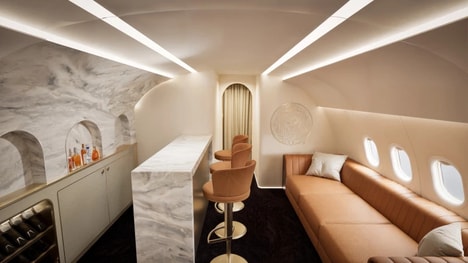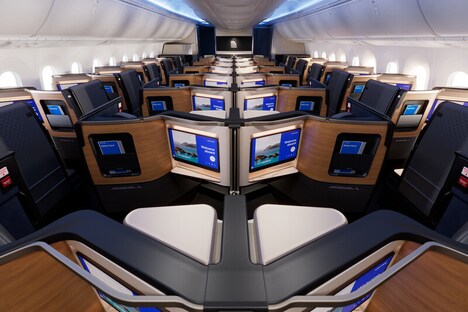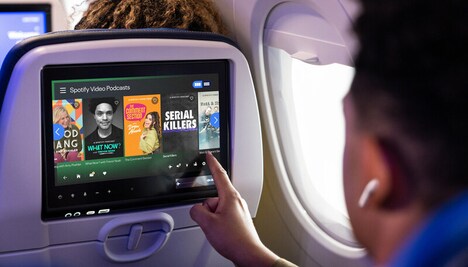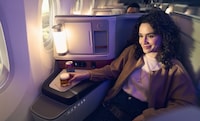
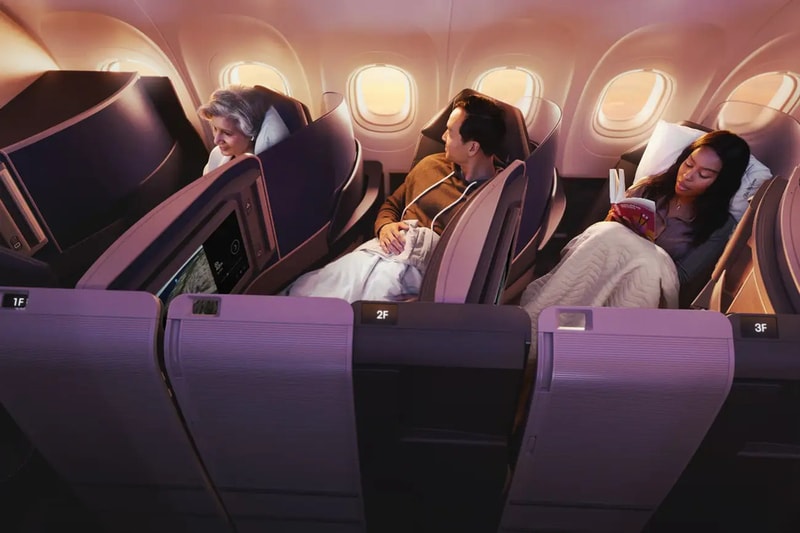
United Airlines introduced a reworked 'Airbus A321XLR' cabin designed to deliver a widebody experience on a narrow-body jet, featuring suite-style Polaris business seats with sliding doors, a refreshed Premium Plus, and a walk-up snack bar in economy. The carrier said the model will debut this summer and that all 150 seats will include Bluetooth pairing for the inflight entertainment system.
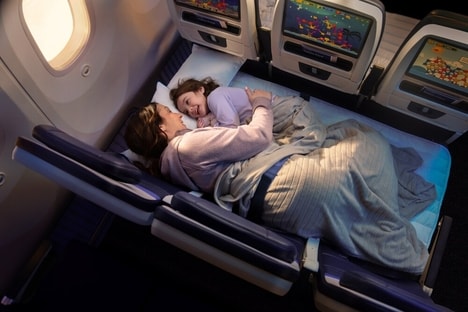
The A321XLR layout includes inward-facing Polaris seats that convert to 78-inch beds, 12 Premium Plus loungers without a middle seat, and a rear self-serve snack bar after removing a few coach rows; larger Airspace XL overhead bins and an extra belly fuel tank extend range to about 5,400 miles. United plans to install the same Elevated cabins across select 787s, A321neos, and CRJ450s.
For travelers, the A321XLR promises more premium capacity on lower-demand international routes, letting carriers open nonstop service to farther destinations with lower operating costs; the cabin mix reflects airlines’ bet that flyers will pay for extra comfort on long single-aisle flights.
Image Credit: United Airlines
What's Driving This Trend
- Widebody Experience on Narrow-body
- Retrofit cabin designs that emulate widebody comforts on single-aisle aircraft create opportunities for extended-range narrow-bodies to serve lower-demand long-haul routes with premium product differentiation.
- In-flight Personalization and Connectivity
- Ubiquitous Bluetooth pairing and seat-level entertainment control point toward personalized digital ecosystems that can bundle content, commerce and data-driven services for individual passengers.
- Premium Economy Upscaling
- Expansion of Premium Plus and suite-style business offerings signals a market shift where redesigning seat density and amenities unlocks new revenue tiers between standard economy and full business class.
Who This Affects Most
- Airlines
- Carrier network planners and revenue managers face prospects to open nonstop long-range routes using cost-efficient narrow-bodies, reshaping route economics and competitive positioning on transatlantic and transpacific markets.
- Aircraft Manufacturers
- OEMs and MRO providers could capitalize on demand for modular cabin architectures and range-extending modifications like extra belly tanks and larger bins to differentiate platform offerings.
- In-flight Entertainment and Connectivity Providers
- Vendors of connectivity hardware and content platforms have potential to develop integrated Bluetooth-enabled ecosystems that support seat-to-seat services, targeted advertising and ancillary sales.