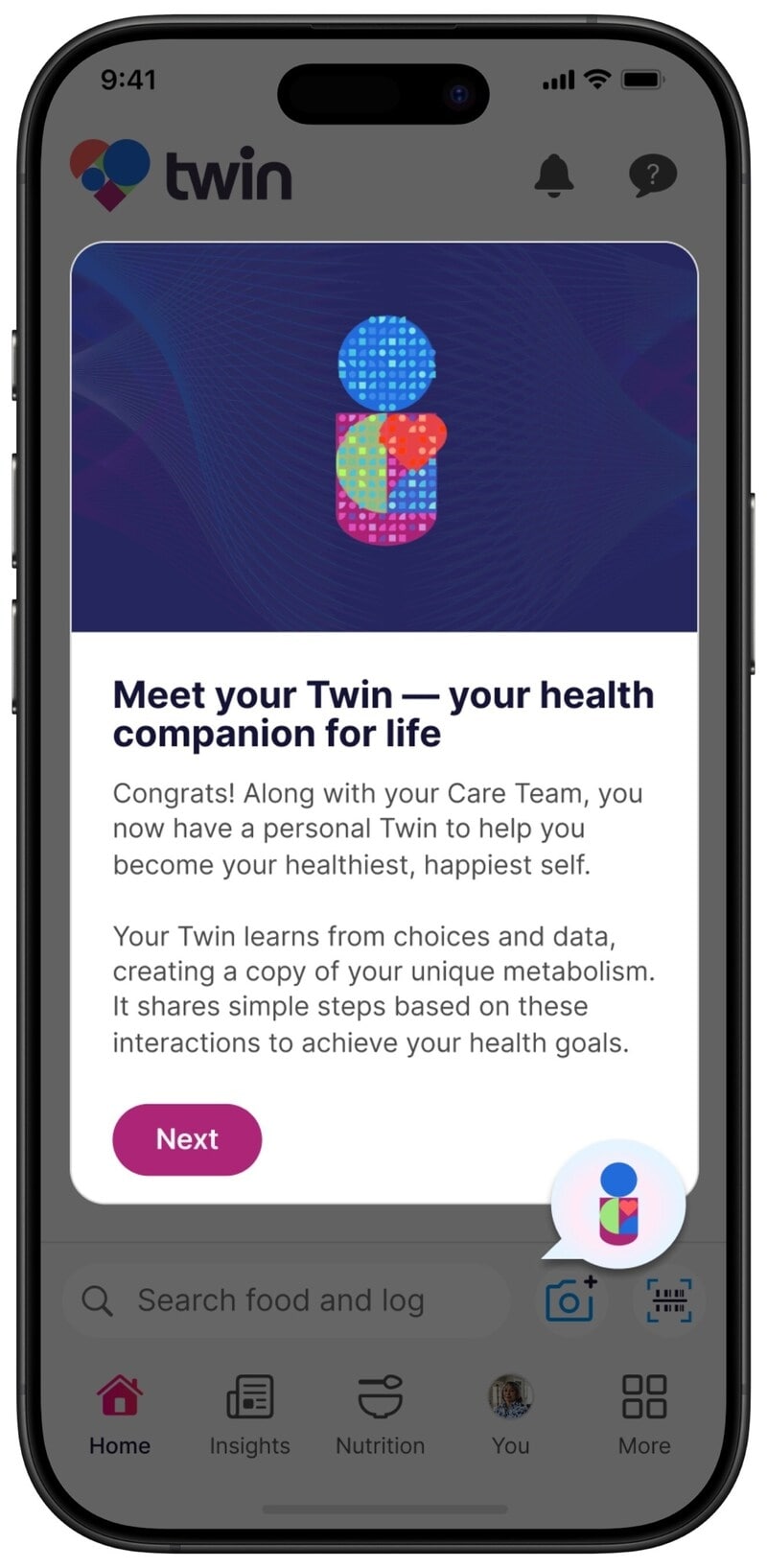
Twin Health, a company specializing in metabolic health management, has secured a $53 million financial investment to advance its proprietary healthcare model, which is centered on the use of AI digital twins for individual patients.
The AI digital twins approach constructs a dynamic, personalized simulation of a person's unique metabolism by synthesizing a wide array of personal data, including biometric readings from wearable devices, dietary habits, and sleep patterns. The company's value proposition for employers and health insurance providers is a payment structure contingent upon achieving specific, measurable health outcomes for members — such as significant reductions in blood sugar levels (A1C) or body weight — rather than charging for services rendered regardless of results.
A recently published study in a prominent medical journal is cited as evidence of the model's effectiveness in managing diabetes and obesity, with a particular emphasis on creating strategies to reduce long-term dependence on expensive pharmaceutical treatments like GLP-1 agonists.
Image Credit: Twin Health
What's Driving This Trend
- AI-driven Personalized Health
- The integration of AI digital twins restructures healthcare delivery by offering tailored treatment plans, personalized to each patient's evolving metabolic data.
- Outcomes-based Healthcare Pricing
- Shifting towards a results-oriented payment model aligns financial incentives with health outcomes, promoting accountability and potential cost savings for healthcare stakeholders.
- Wearable Tech Data Utilization
- Leveraging biometric data from wearables allows for real-time adjustments in health management, enhancing precision in treatment strategies and patient engagement.
Who This Affects Most
- Digital Health Platforms
- Digital health platforms stand to disrupt traditional healthcare by incorporating AI-driven insights to offer more targeted and effective interventions.
- Insurance and Risk Management
- The insurance industry could be transformed with the adoption of performance-based pricing models, potentially reducing costs linked to chronic disease management.
- Biometric Wearable Devices
- The increasing sophistication of biometric wearables could enable more dynamic and preventive healthcare solutions, reducing reliance on medication and conventional therapies.