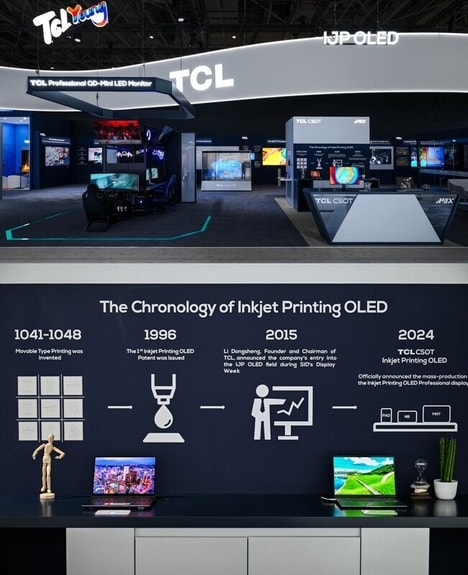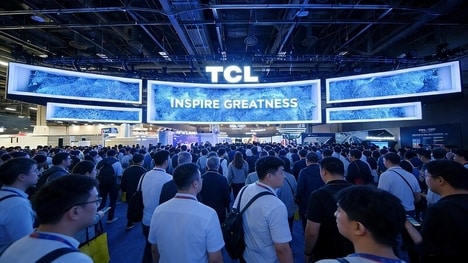
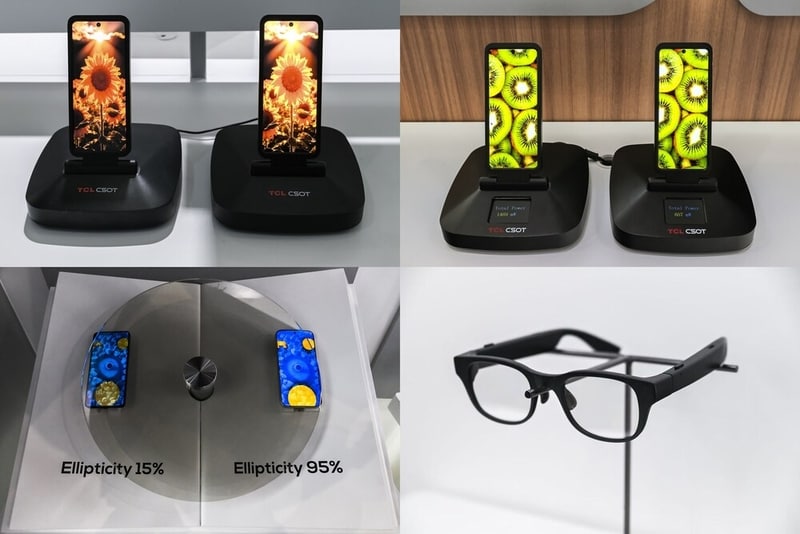
TCL CSOT has unveiled a range of advanced display technologies at Mobile World Congress 2026. Some of the primary innovations in TCL SCOT’s Beyond Limits presentation include its Super Pixel architecture and inkjet-printed OLED manufacturing processes, both of which operate under APEX — a guiding philosophy that prioritizes “human-centric benefits and sustainability over pure specifications to inspire future possibilities.”
This showcase includes multiple world-first displays, such as mobile screens with enhanced clarity, reduced power consumption, and higher refresh rates, as well as notebook, monitor, and micro-display applications that demonstrate the company's progress in rethinking how screens are designed and produced. The Super Pixel technology, for instance, reengineers the fundamental arrangement of sub-pixels to deliver sharper images with approximately 1.8 percent greater density, which translates to crisper text and more detailed visuals without increasing overall resolution specifications. At the same time, this approach can reduce energy consumption by up to a quarter, meaning longer battery life for smartphones and other portable devices. The advanced display technologies’ ability to support refresh rates up to 40 percent higher also ensures smoother scrolling and more responsive interactions.
Image Credit: TCL CSOT
What's Driving This Trend
- Super Pixel Architecture
- Reconfigured sub-pixel layouts deliver about 1.8% greater perceived density and up to 25% lower energy use, creating opportunities for sharper visuals without increasing nominal resolution.
- Inkjet-printed OLED Manufacturing
- Inkjet deposition of OLED layers introduces lower-capital, scalable fabrication pathways that can reduce production lead times and support printing on flexible or unconventional substrates.
- Human-centric Sustainable Displays
- The APEX focus on user benefits and lifecycle sustainability shifts product differentiation toward longer-lasting, energy-efficient screens with reduced environmental impact.
Who This Affects Most
- Mobile Devices
- Smartphones and tablets stand to benefit from extended battery life and higher refresh rates, changing trade-offs between display performance and battery capacity in handheld designs.
- Pc and Monitor Markets
- Notebooks and desktop monitors may adopt higher perceived clarity at lower power budgets, enabling thinner chassis and longer unplugged productivity cycles.
- Micro-display and AR/VR Systems
- AR/VR micro-displays could leverage increased pixel density and refresh headroom to reduce motion artifacts and improve immersion within space- and power-constrained modules.