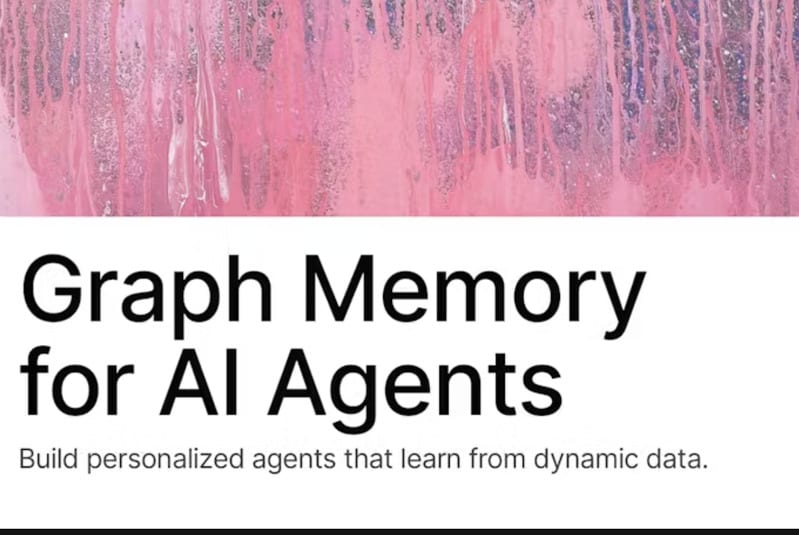
Graphiti is an infrastructure tool designed to give Adaptive AI Agents persistent, structured memory using knowledge graphs. It automatically transforms dynamic business data and conversational histories into interconnected graphs that agents can query efficiently. This approach allows AI systems to retain context, track relationships, and adapt as underlying data changes over time.
For businesses building Python-based agents, Graphiti addresses a common limitation of stateless or short-term memory models by enabling access to evolving, relevant information without manual re-indexing. Its design supports use cases such as personalized agents, internal assistants, and workflow automation where accuracy and continuity matter. By abstracting memory management into a graph-based layer, Graphiti helps teams focus on agent behavior rather than data plumbing. Overall, it represents a foundational component for scalable, context-aware AI systems operating in real-world, changing environments.
Image Credit: Graphiti
What's Driving This Trend
- Graph-based Memory Systems
- The integration of graph-based memory into AI systems transforms their capability to maintain context and adapt efficiently to evolving data.
- Persistent Knowledge Graphs
- Persistent knowledge graphs enable AI agents to retain structured information, enhancing their ability to provide personalized and context-aware interactions over time.
- Adaptive AI Infrastructure
- Adaptive infrastructures like Graphiti offer a way for AI agents to dynamically manage and query data, ensuring they remain relevant and accurate as business needs change.
Who This Affects Most
- AI-powered Automation
- AI-powered automation utilizing structured memory can significantly streamline business processes by maintaining continuity and accuracy in workflow execution.
- Conversational AI Development
- The development of conversational AI systems benefits from persistent knowledge graphs, which allow for more natural and coherent interactions with users.
- Data Management Solutions
- Innovations in data management solutions using graph-based models support the creation of AI systems that adapt seamlessly to shifting datasets and user contexts.