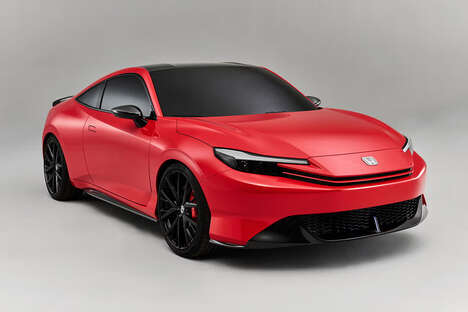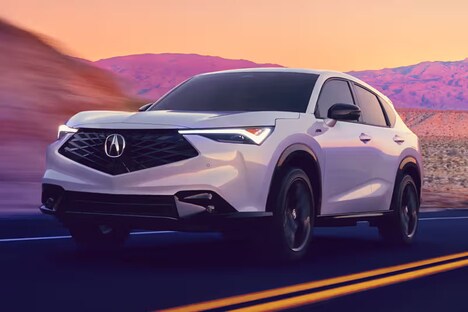
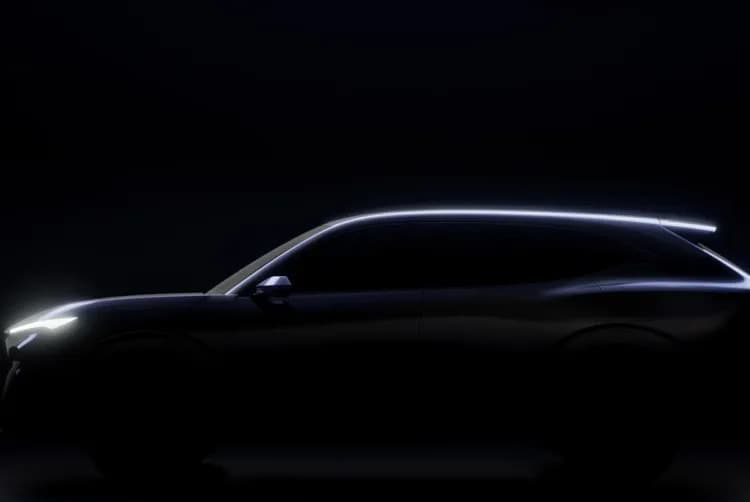
Honda has confirmed that the next‑generation Acura RDX will adopt a dual‑motor hybrid electric powertrain, marking the brand’s first use of a two‑motor hybrid system for this model. The announcement accompanied a teaser image and a statement that the redesigned compact luxury SUV is in development and expected to arrive within the next couple of years. Acura indicated production of the current third‑generation RDX will be paused later this year as the company prepares for the new hybrid model, and the move forms part of a broader strategy to offer a mix of gasoline, hybrid, and battery electric vehicles across the lineup.
The dual‑motor configuration is presented as a step to improve efficiency and performance while retaining the RDX’s positioning as a premium compact SUV. Key operational implications include integration of hybrid system calibration with Acura’s handling and torque vectoring objectives, dealer preparation for new powertrain service and parts, and potential changes to towing and payload specifications relative to the outgoing model. For prospective buyers and fleet planners, relevant considerations are final powertrain specifications, real‑world fuel economy, pricing and trim availability, and the timing of market introduction and dealer inventory transitions.
Image Credit: Honda
What Makes This Trend Stand Out
- Dual-motor Powertrain Innovation
- Adopting a dual-motor hybrid system represents an opportunity to redefine performance standards in compact luxury SUVs.
- Electric-hybrid Vehicle Expansion
- The strategic focus on adding hybrid options underlines a shift towards more sustainable vehicle offerings in the automotive industry.
- Enhanced Fuel Efficiency Focus
- Pivoting towards vehicles with improved fuel efficiency aligns with growing consumer demand for environmentally-friendly transportation solutions.
Sectors Adopting This
- Automotive Manufacturing
- The integration of hybrid technology in compact SUVs highlights potential shifts in manufacturing processes and design considerations for future vehicles.
- Automotive Dealerships
- With new hybrid models entering the market, dealerships are poised to adapt in terms of service offerings and inventory management.
- Eco-friendly Transportation
- Hybrid vehicles contribute to the growing eco-friendly transportation sector by promising lower emissions and increased energy efficiency.