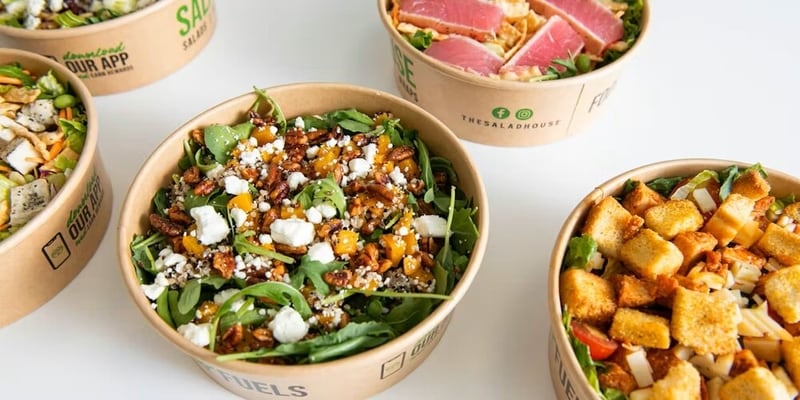
Community-driven loyalty programs are becoming more common as restaurant brands look for ways to build stronger emotional connections with customers beyond traditional rewards systems. Salad House recently launched its Monthly MVP Fuel Fund, a program that matches a guest’s monthly spending with a donation to a nonprofit organization selected by that customer. The initiative highlights local causes ranging from schools and youth sports teams to health foundations and food banks, transforming everyday restaurant visits into community-focused contributions. By funding the donations directly through its corporate business, the company is positioning the program as an ongoing extension of its brand identity rather than a temporary marketing campaign.
The launch reflects growing consumer interest in purpose-based dining experiences that combine convenience with social impact. Community-focused restaurant loyalty programs may help brands strengthen customer retention by creating more meaningful engagement opportunities tied to local causes. Cause-linked dining experiences could also differentiate health-focused fast-casual chains in competitive markets where consumers increasingly value brands that demonstrate visible neighborhood involvement and long-term community support.
Image Credit: Salad House
What Makes This Trend Stand Out
- Cause-linked Loyalty
- Programs that tie customer spending to local causes create a loyalty framework that reframes rewards as shared social impact, enabling novel value propositions beyond discounts.
- Customer-selected Donations
- Consumers choosing recipient organizations personalizes the transaction-to-donation pathway and opens possibilities for granular, data-driven community engagement models.
- Brand-as-civic-partner
- Brands positioning themselves as ongoing neighborhood supporters shift expectations of corporate identity toward sustained local investment and collaborative public presence.
Sectors Adopting This
- Fast-casual Restaurants
- Operators focused on health-forward, quick-service formats can integrate giving-focused loyalty to differentiate on values and deepen neighborhood customer relationships.
- Payment and POS Providers
- Point-of-sale and payment platforms that enable spend-to-donate flows could transform transactional data into automated social funding mechanisms and reporting tools.
- Local Nonprofit Partnerships
- Community organizations collaborating with brands stand to gain predictable funding streams and co-branded engagement channels that alter traditional fundraising dynamics.