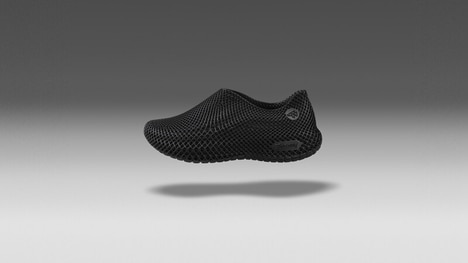

Adidas has unveiled a 3D-printed football boot as the second product under the brand's Project R.A.P. additive manufacturing platform, following a basketball shoe debut in March 2026. The Adidas football boot was developed with input from professional soccer players Khvicha Kvaratskhelia and Ademola Lookman, who participated in the testing process and will receive the first pairs.
The boot uses 3D-printed construction to deliver a customized fit tailored to individual athlete sizing rather than traditional sizing standards. A release timeline for consumers hasn't been confirmed yet, though American football products are also in development under the same brand platform.
As performance footwear brands invest in innovative manufacturing, adidas shows how technology can span multiple sports, moving performance footwear development toward an ultra-custom build.
Image Credit: adidas
Key Themes Behind This Trend
- Ultra-custom Footwear
- Personalized 3D-printed boots enable fit and performance optimization for individual athletes, presenting opportunities for bespoke product tiers and premium pricing.
- Additive Manufacturing Across Sports
- Cross-sport application of additive manufacturing allows component and design reuse between disciplines, shortening development cycles and encouraging modular product platforms.
- Player-driven Product Development
- Direct collaboration with professional athletes produces data-driven validations that can be translated into consumer credibility and performance-differentiated lines.
Where This Applies
- Sports Footwear
- On-demand customization and reduced SKU complexity could reshape retail inventory, create experiential buying models, and support higher-margin personalized offerings.
- Professional Sports Teams
- Teams standing to benefit from customized gear may also generate proprietary performance datasets that influence training, scouting and sponsorship value.
- Manufacturing and Supply Chain
- Localized additive production and microfactory networks have the potential to upend centralized mass production, reduce lead times and alter logistics footprints.