1 Hotel Copenhagen is a 282-room hospitality project designed by Norm Architects within a restored 1930s building in the Danish capital. While the historic structure retains its Neoclassical and Neo-Baroque exterior character, the interiors introduce a quieter atmosphere shaped by natural materials, soft light, and integrated architectural elements.
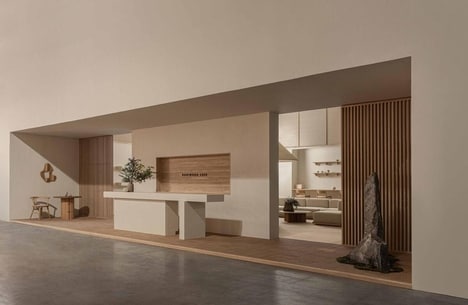
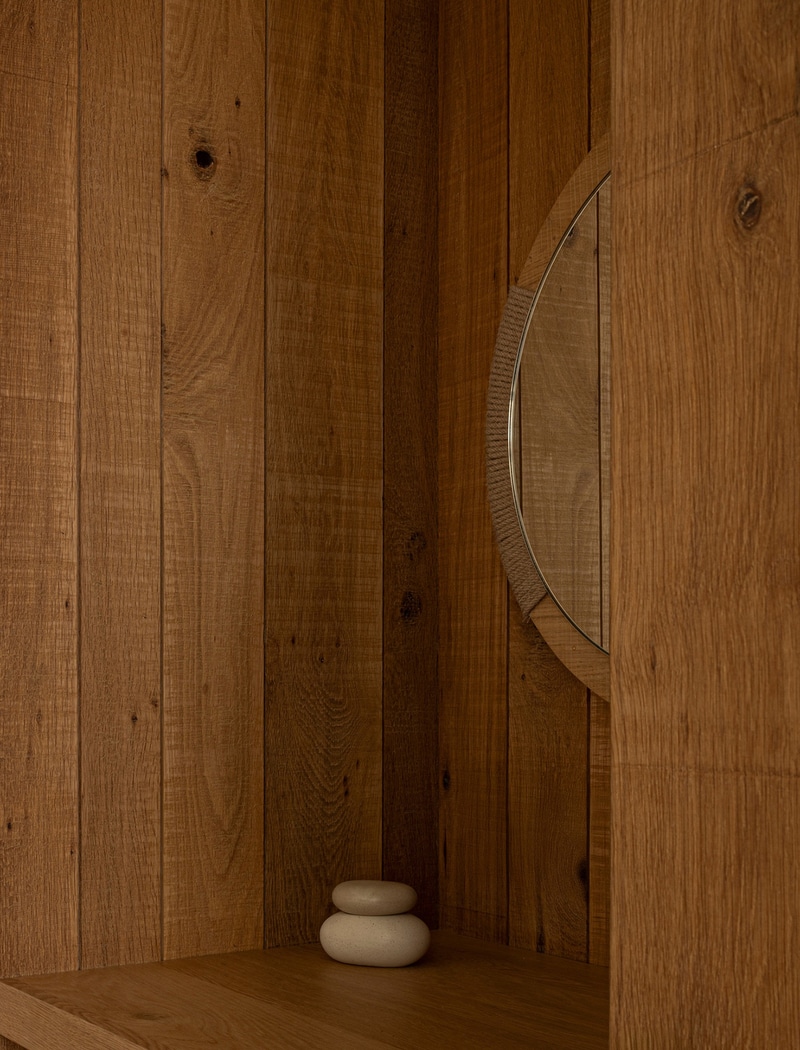
A sculptural staircase crafted from reclaimed wood forms the centerpiece of the arrival experience, connecting guests to accommodations that overlook Copenhagen's rooftops. Throughout the hotel, oak, stone, brick, glass, and woven materials establish a restrained palette enriched by subtle variations in texture and craftsmanship.
Guest rooms are organized as residential-style retreats with built-in furnishings, kitchenettes, and carefully layered spaces separated by translucent glass partitions and full-height drapery. Brick flooring grounds the bathrooms, where blackened fixtures contrast with warm, tactile surfaces.
Image Credit: 1 Hotel Copenhagen
What Makes This Trend Stand Out
- Adaptive Reuse Hospitality
- Historic landmarks are becoming premium hotel assets as preserved architecture combines with modern comfort to differentiate luxury stays through place-based character and lower-impact development.
- Residential Luxury Suites
- Hotel rooms with kitchenettes, layered living zones, and built-in furnishings reflect a shift toward longer, more flexible stays that blur the boundary between boutique accommodation and private apartment living.
- Tactile Minimalist Design
- Natural materials, soft lighting, and restrained palettes create sensory-rich interiors where understated craftsmanship becomes a competitive alternative to overt luxury signaling.
Sectors Adopting This
- Luxury Hospitality
- Upscale hotels can redefine exclusivity through heritage settings, wellness-oriented atmospheres, and residential amenities that appeal to travelers seeking calm, localized experiences.
- Interior Design
- Design studios are positioned to shape new premium environments through reclaimed materials, integrated architectural details, and warm minimalism that makes sustainability feel refined.
- Real Estate Development
- Urban developers may find new value in aging landmark buildings by converting underused properties into high-end hospitality destinations with embedded cultural and environmental appeal.