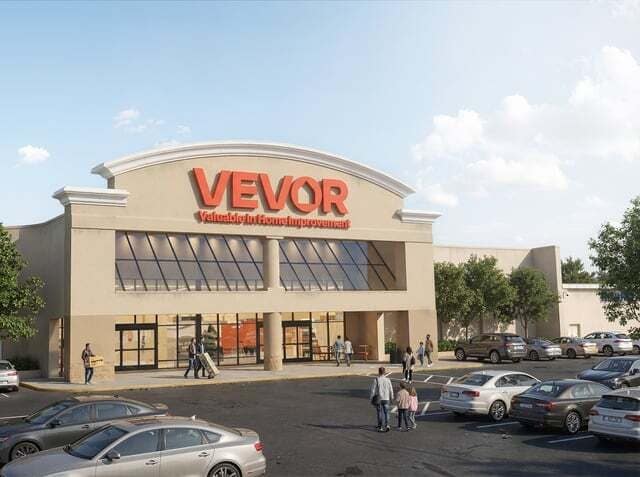
Vevor, a vertically integrated home improvement brand that began as an eBay seller, launched its first U.S. storefront, featuring a curated assortment of fixtures, lighting and hardware designed in-house. The company introduced the physical location as part of a broader push to translate its direct-to-consumer manufacturing model into brick-and-mortar experiences.
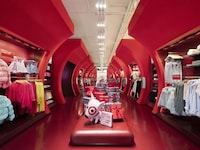
The new store showcases modular displays and a hands-on layout that highlights product customization options and quick-order fulfillment for online shoppers. Vevor said the opening was the first U.S. debut and signaled plans for additional stores; the retail format integrates inventory visibility and in-store pickup with the brand’s global supply chain.
For consumers, the rollout brings a hybrid shopping option that blends online convenience with tactile product evaluation, reflecting a wider trend of digitally native brands proving retail viability through experiential local hubs.
Image Credit: Vevor
What's Driving This Trend
- Direct-to-consumer Brick-and-mortar
- A digitally native brand bringing vertically integrated manufacturing into physical storefronts creates opportunities to redefine margins and customer relationships through owned retail channels.
- Modular Experiential Retail
- Curated, reconfigurable store layouts that emphasize hands-on customization enable novel in-store services and personalized product pathways that blur showroom and workshop boundaries.
- Integrated Inventory-online Fulfillment
- Real-time visibility between global supply chains and local stock positions opens the possibility for seamless hybrid fulfillment models that compress delivery times and reduce distribution costs.
Who This Affects Most
- Home Improvement Retail
- A storefront that couples in-house designed fixtures with online product data suggests new retail formats focused on customization, speed, and brand-controlled product ecosystems.
- Supply Chain and Logistics
- Linking global manufacturing to local pickup points highlights opportunities for micro-fulfillment networks and inventory orchestration that lower fulfillment latency and carrying costs.
- Retail Technology Platforms
- Systems that synchronize inventory, in-store experiences, and e-commerce channels point toward adaptive platform services that enable experiential retail at scale.