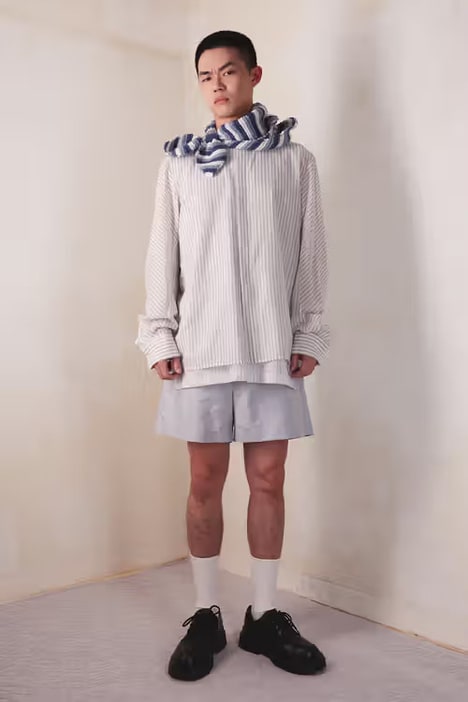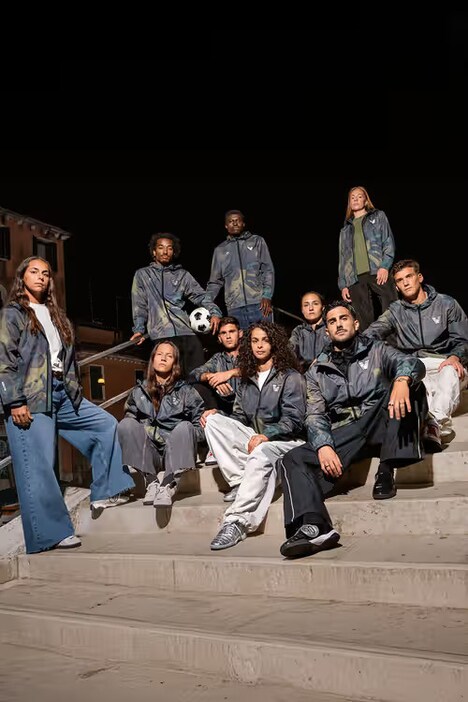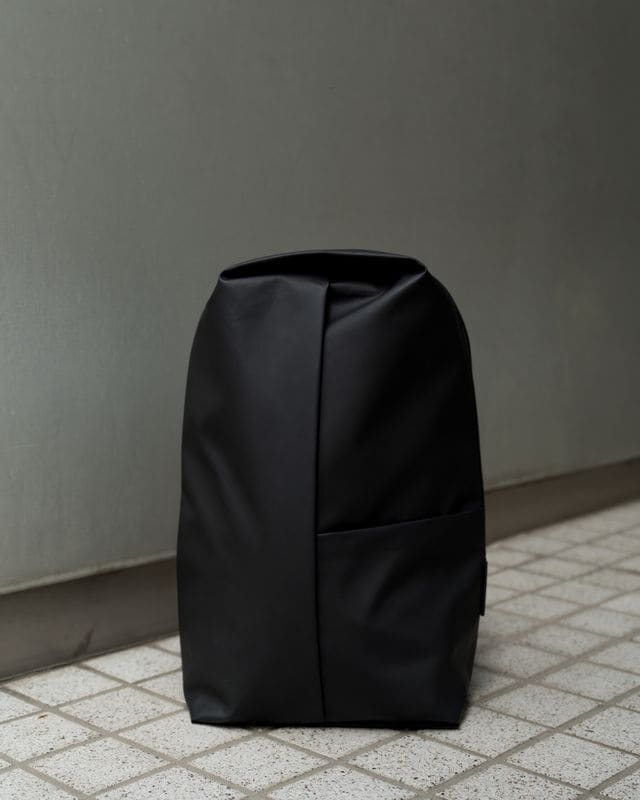
The UNIFORM collection introduces adaptable ready-to-wear rooted in spatial design by translating côte&ciel’s architectural approach into garments built around movement and utility. The pieces are developed as daily uniforms for creative users, with pocket systems, modular compartments and structures that shift from rigid to fluid as the wearer moves. The collection treats functionality as a design language rather than an added feature, carrying forward the brand’s focus on geometry, ergonomics and load distribution. Each garment reflects spatial concepts drawn from the brand’s well-known backpacks and reinterprets them as wearable frameworks that respond to anatomy and motion.
The line emphasizes individuality within a shared design system by allowing each wearer to adapt the pieces in personal ways. The construction references the textures and proportions of the ISAR, NILE and SORMONNE silhouettes, translating familiar forms into clothing. The launch introduces a new product category for the brand and positions the apparel as an extension of its material and structural research
Image Credit: côte&ciel
What's Driving This Trend
- Adaptable Ready-to-wear
- Versatile garments integrate spatial design principles, allowing wearers to personalize their daily uniforms through modular compartments and adaptable structures.
- Functionality-as-design
- The integration of ergonomic geometry and pocket systems into clothing shifts functionality from an enhancement to a foundational design element.
- Wearable Spatial Concepts
- The reinterpretation of architectural design elements into apparel opens new opportunities for innovation in how clothing interacts with wearers’ movements.
Who This Affects Most
- Fashion Technology
- This industry is evolving with clothing that incorporates digital-savvy design features that blend architecture with everyday apparel.
- Modular Apparel
- With a focus on adaptability, this emerging industry allows consumers to customize garments to their individual lifestyles and needs.
- Ergonomic Design
- Incorporating ergonomic principles into clothing broadens the scope of design to include more user-centric, comfort-focused functionality.