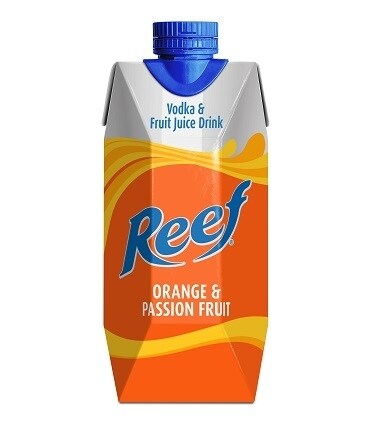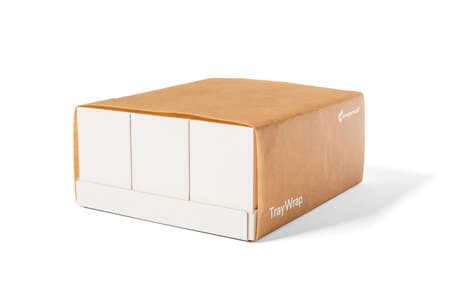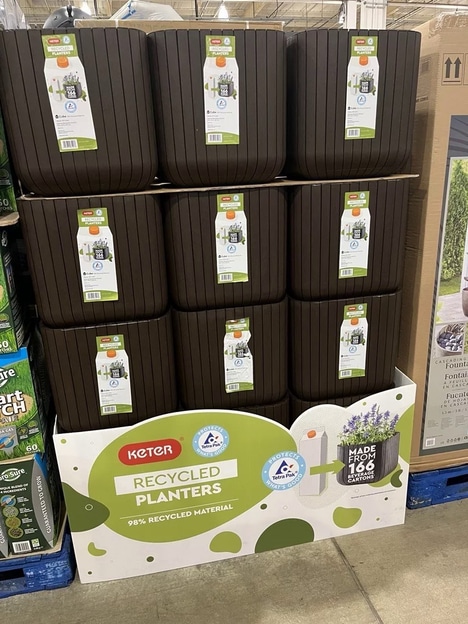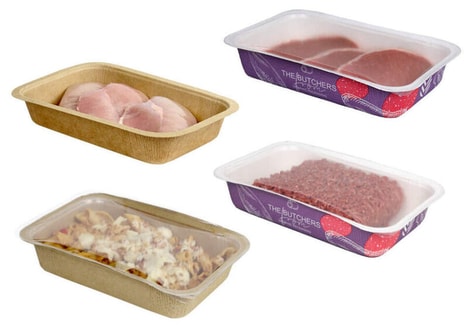
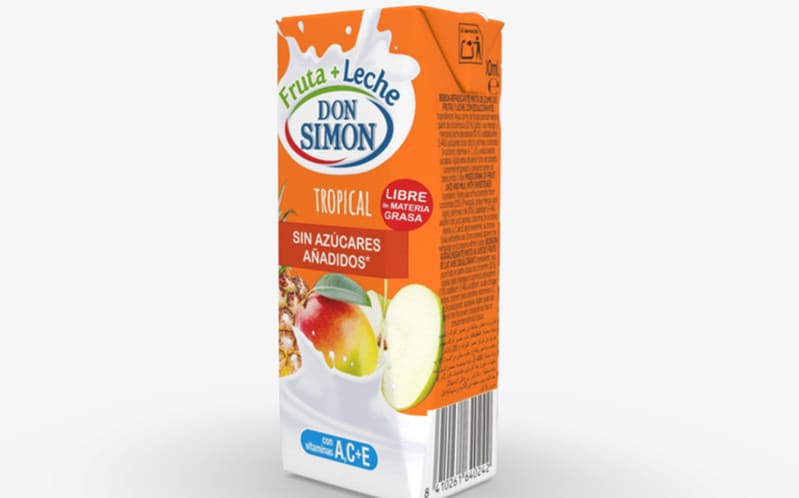
The Tetra Park Tetra Brik Aseptic 200ml Slim Leaf carton has been developed by the brand as a new packaging solution that prioritizes paper materials to give it a performance-driven profile with impressive sustainability.
The packaging has been certified by the Carbon Trust and features a reported 43% reduction in its carbon footprint when compared to conventional aseptic packs on the market that have aluminum foil layers with polymers. The packaging has up to 80% paper alongside plant-based polymers to give it 92% renewable content and has been created in collaboration with Spain-based beverage producer García Carrión.
Executive Vice President of Packaging Solutions at Tetra Park Tatiana Liceti spoke on the Tetra Park Tetra Brik Aseptic 200ml Slim Leaf carton saying, "This launch represents a significant step in our journey towards fully renewable and recyclable packaging. By working closely with our customers, we’re proving that sustainable innovation can scale across markets and categories, while ensuring packaging retains its functionality and quality.”
Key Themes Behind This Trend
- Renewable Packaging Innovation
- An increased focus on integrating renewable materials presents opportunities to revolutionize packaging sustainability.
- Carbon Footprint Reduction
- Efforts to drastically lower carbon emissions in packaging design are transforming industry standards and consumer expectations.
- Collaboration-driven Solutions
- Collaborative efforts between manufacturers and producers are fostering groundbreaking sustainable innovations for packaging.
Where This Applies
- Sustainable Packaging Industry
- The shift towards renewable and recyclable packaging materials is prompting significant changes in how products are packaged across the globe.
- Beverage Industry
- Incorporating eco-friendly packaging options is becoming a priority in the beverage sector as consumer demand for sustainability grows.
- Material Science Innovations
- Advances in plant-based polymers and paper integration are paving new pathways for reducing environmental impact in packaging technology.