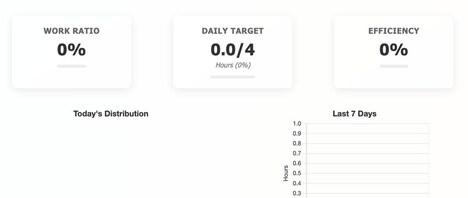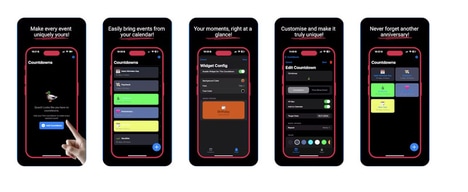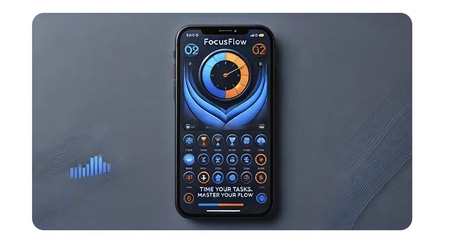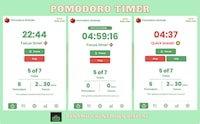
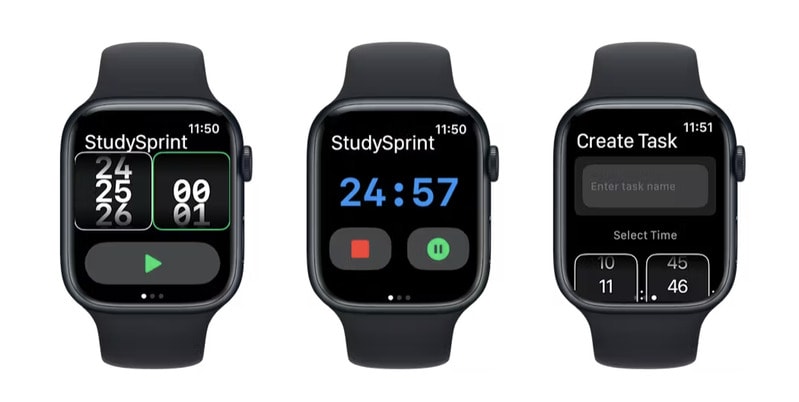
StudySprint is a productivity tool designed to help users maintain focus and organization through structured study sessions. It integrates a Pomodoro-style timer with task scheduling and reminder features, providing a streamlined approach to time management.
Available on iPhone and Apple Watch, StudySprint allows users to plan tasks, allocate dedicated intervals for focused work, and track progress throughout the day. The combination of timed work sessions and reminders is intended to encourage consistent study habits, reduce procrastination, and increase overall productivity. By offering notifications across devices, it ensures users stay on track whether they are at their desk or on the go. StudySprint is geared toward students and professionals seeking a systematic approach to managing workloads while balancing attention and efficiency in their daily routines.
Image Credit: StudySprint
Key Themes Behind This Trend
- Integrated Timeboxing and Task Management
- Combining Pomodoro-style timeboxing with integrated task scheduling creates potential for tools that dynamically reshape daily workflows around focused intervals.
- Cross-device Focus Continuity
- Seamless notifications across phone and watch enable persistent focus states that bridge stationary and mobile work contexts, allowing continuity-aware session orchestration.
- Behavioral Nudges for Habit Formation
- Subtle reminder patterns and progress tracking support habit-forming loops that personalize cadence and reward structures for sustained attention.
Where This Applies
- Educational Technology
- Study-oriented platforms that integrate timed sessions and progress analytics could redefine curriculum pacing and student engagement metrics.
- Corporate Productivity Software
- Enterprise task platforms embedding micro-focus cycles may transform team scheduling, meeting design, and knowledge worker throughput.
- Wearable Device Ecosystems
- Wearable ecosystems that surface lightweight focus controls and haptics could enable ambient attention management and context-sensitive work state transitions.