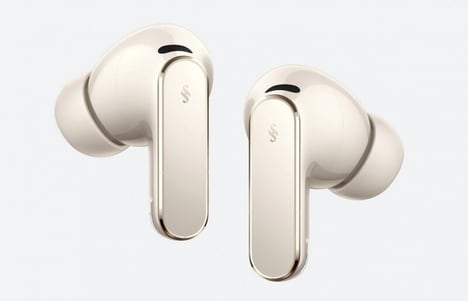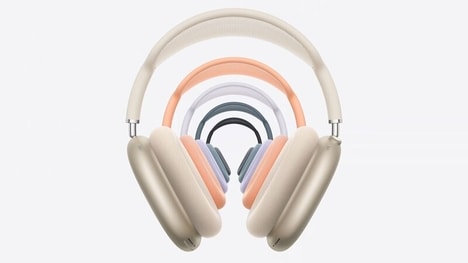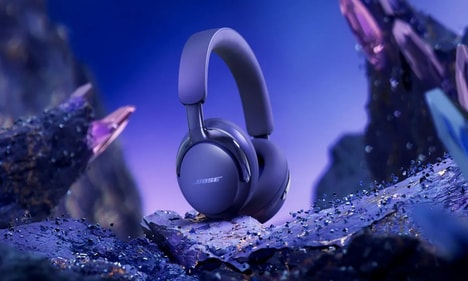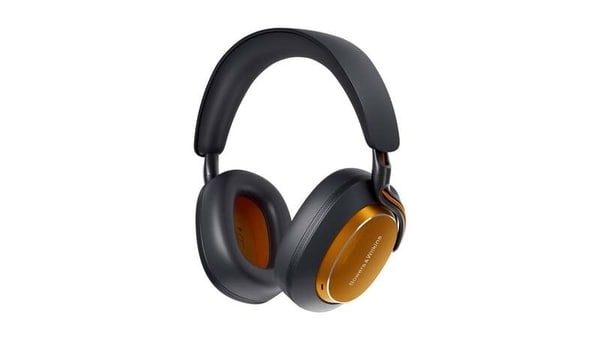

Beats refreshed its Studio Pro lineup with a design overhaul that trades the brand's signature chrome flash for a refined matte finish. The 40mm custom drivers deliver a balanced, controlled sound, and the addition of transparency mode marks a first for Beats' over-ear category. UltraPlush memory foam ear cups and up to 40 hours of battery life round out a package built for all-day wear.
Where the Studio Pro earns its place is in its rare cross-platform functionality. Spatial audio works over Bluetooth on iOS, while USB-C connectivity unlocks lossless playback, Entertainment mode, and Conversation mode for Android and Mac users. Beats' intelligent device-switching also works across Android and Chromebook. At a discounted price point well below its $350 retail tag, the Studio Pro sits at a compelling intersection of premium audio and broad compatibility — a combination that's harder to find than it should be.
Key Themes Behind This Trend
- Cross-platform Audio Compatibility
- Broad interoperability between iOS, Android, Mac, and Chromebook is enabling single-headset solutions that erode the need for platform-specific peripherals and unlock unified premium audio experiences.
- USB-C Lossless Audio Adoption
- The shift from proprietary ports to USB-C for lossless playback is creating a pathway for higher-fidelity wired and hybrid wireless products that narrow the gap between consumer convenience and audiophile quality.
- Intelligent Device-switching Ecosystems
- Seamless handoff of audio and modes across multiple devices is fostering ecosystems where headphones act as centralized user hubs, redefining expectations for continuity and context-aware audio services.
Where This Applies
- Consumer Audio Hardware
- Premium headphone makers stand to redefine product tiers by combining refined industrial design with cross-platform technical features that attract both general consumers and discerning listeners.
- Mobile Operating Systems and Device Makers
- Platform vendors and OEMs are positioned to differentiate through native support for spatial audio, low-latency modes, and unified connectivity standards that influence accessory buying decisions.
- Streaming and Content Distribution
- Music and media services can leverage universal spatial and lossless delivery to offer differentiated catalog experiences that favor platforms and hardware capable of consistent cross-device playback.