
SpotitEarly introduced a noninvasive breath-analysis service that uses trained detection dogs to screen for cancer, with CEO Shlomi Madar explaining the approach. The system collects a breath sample that dogs evaluate for disease-linked scent signatures, featuring an AI layer that helps interpret alerts.
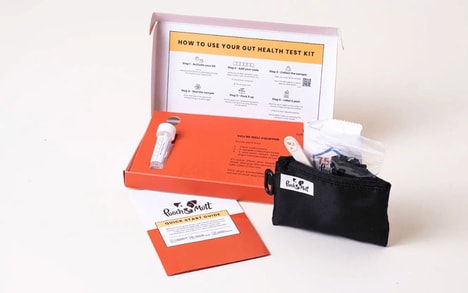
The offering paired canine olfactory detection with machine learning to standardize signals and reduce variability between handlers and animals. The workflow included sample collection kits, canine training protocols focused on scent markers, and software that aggregated canine responses into a digital readout.
For consumers, the test promised a less invasive early-screening option that could complement existing diagnostics by prioritizing who needs follow-up testing. By combining animal detection with AI, the service aligns with a broader trend of hybrid human-animal systems that translate biological sensing into scalable health data.
Image Credit: Tech Crunch
What Makes This Trend Stand Out
- Hybrid Human-animal Sensing
- The integration of trained animal detection with digital analytics creates a repeatable biological-sensing layer that can expand bio-detection capabilities beyond conventional instruments.
- AI-augmented Olfactory Diagnostics
- Machine learning models that standardize and interpret scent-based signals enable scalable interpretation of variable biological detections for population-level screening.
- At-home Noninvasive Screening
- Consumer-facing breath collection kits paired with remote analysis open pathways for earlier detection touchpoints that reduce reliance on invasive clinical procedures.
Sectors Adopting This
- Healthcare Diagnostics
- Diagnostic providers could integrate scent-based screening data as a triage layer to prioritize follow-up testing and streamline clinical workflows.
- Pet Training and Biosecurity
- Specialized canine training protocols and certification services stand to become commoditized components of bio-detection ecosystems supporting public health monitoring.
- Medical Device Software
- Software platforms that aggregate heterogeneous biological signals—including animal responses—can serve as regulatory-compliant data infrastructures for novel diagnostic modalities.