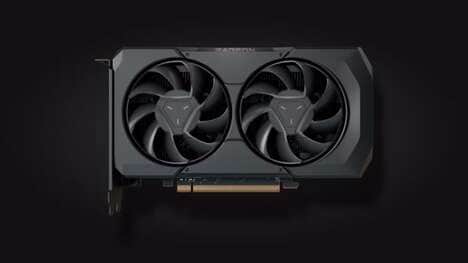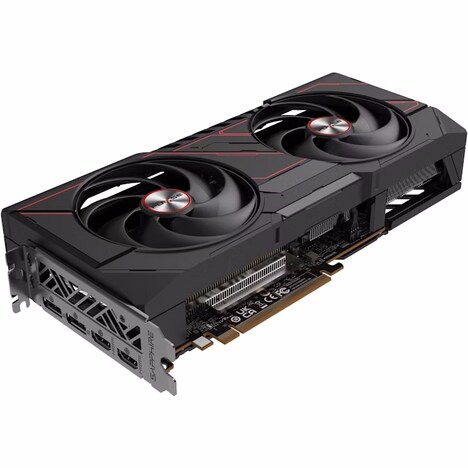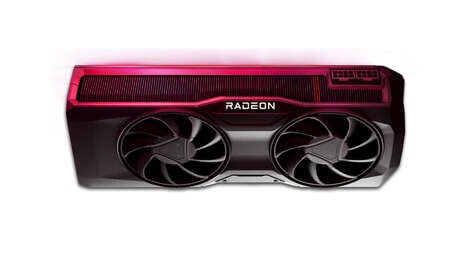
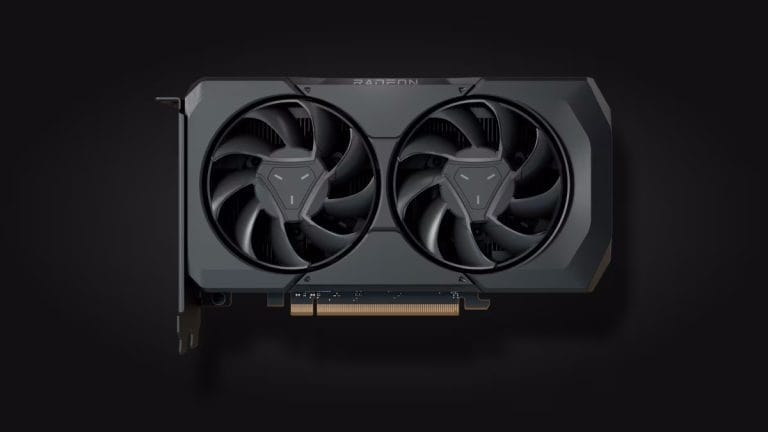
The Radeon RX 7400 is an entry-level desktop graphics card built on AMD’s RDNA 3 “Navi 33” GPU architecture. It features 28 compute units (1,792 stream processors), 56 AI accelerators, and 28 ray accelerators, with a 43 W board power rating that balances performance with thermal efficiency. Designed primarily for the OEM and system integrator market, the RX 7400 is not intended for DIY retail channels and has already appeared in pre-built configurations paired with Intel Core Ultra processors. Its modest power draw and certified feature set make it a discrete upgrade over integrated graphics in mainstream systems without requiring extensive cooling or power delivery infrastructure.
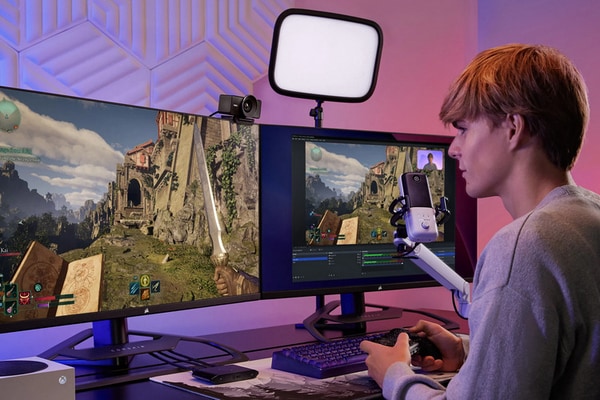
The card is optimized for advanced 1080p gaming and streaming, leveraging AMD’s RDNA architecture alongside the latest software and multimedia enhancements. Users can access AMD Software: Adrenalin Edition for driver updates, performance tuning, and game-specific optimizations. The RX 7400 also supports AMD HYPR-RX one-click profiles to enable Radeon Boost, Anti-Lag, and FidelityFX Super Resolution features simultaneously. With a focus on efficient high-definition gameplay and content creation workflows, the Radeon RX 7400 offers system builders a compact solution for modern PC experiences at this resolution tier.
Image Credit: AMD
Key Themes Behind This Trend
- Efficient 1080p Gaming Solutions
- The rise in demand for efficient 1080p gaming capabilities reflects a growing market for performance-optimized yet power-conserving graphics solutions.
- AI-enhanced Graphics Processing
- AI accelerators integrated into budget GPUs like the RX 7400 indicate expanding opportunities to enhance gaming and multimedia performance through artificial intelligence.
- Simplified System Integration
- The focus on compact, easily integrated GPUs addresses a trend towards streamlining system configurations in budget and mainstream computing markets.
Where This Applies
- PC Gaming Hardware
- This industry is seeing an innovative push towards budget-friendly yet powerful components catering to entry-level gaming enthusiasts.
- Desktop OEM Manufacturing
- OEMs increasingly benefit from incorporating versatile and power-efficient GPUs into pre-built systems targeting cost-conscious consumers.
- AI and Machine Learning
- Incorporating AI capabilities in consumer-grade hardware opens up new potential for user experiences and efficiency in mainstream applications.