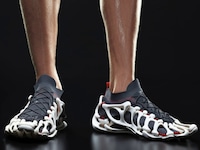

adidas introduced a 3D-printed basketball shoe in March 2026, debuting the still-unnamed silhouette at its Pro Day and featuring Kansas Jayhawks guard Darryn Peterson. The release came from adidas’ Project R.A.P. (Radical Athlete Perception), designed to use additive manufacturing to produce on-court footwear with a bespoke fit and printed structural elements.
The debuted design layers digitally printed lattice and foam structures to tune cushioning and support to athlete specifications, extending adidas’ prior 3D efforts in lifestyle and running categories. The introduction coincided with tours of adidas’ renovated Innovation Lab at its Portland hub and previews for top prospects and athletes.
For consumers, the move signals wider on-court adoption of personalized manufacturing, promising tailored comfort and performance rather than one-size production. Adidas’ step into printed basketball shoes highlights a broader trend toward additive customization in athletic gear and anticipates a public release later in 2026.
Image Credit: adidas
Key Themes Behind This Trend
- Additive Manufacturing for Performance Footwear
- A shift toward on-demand additive manufacturing that allows hyper-personalized cushioning and support tailored to individual athlete metrics.
- Customized Athlete-specific Fit
- Bespoke fit solutions derived from athlete scans and data-driven design that promise reduced injury risk and optimized on-court performance.
- Printed Lattice Structural Elements
- Digitally tuned lattice and foam architectures enabling variable stiffness and impact absorption within a single printed component.
Where This Applies
- Athletic Footwear
- Mass customization of basketball shoes driven by 3D printing that could alter product lifecycles and retail models.
- Sports Medicine and Biomechanics
- Individualized support profiles and performance data integration that may transform rehabilitation protocols and injury-prevention strategies.
- Manufacturing and Supply Chain
- Localized additive production workflows and digital inventory models that have implications for lead times, warehousing, and distribution.