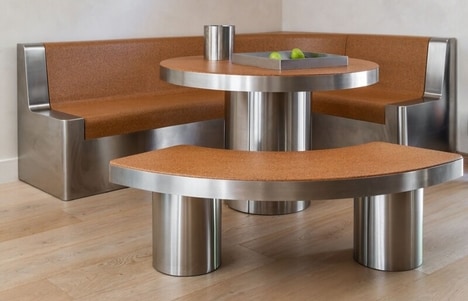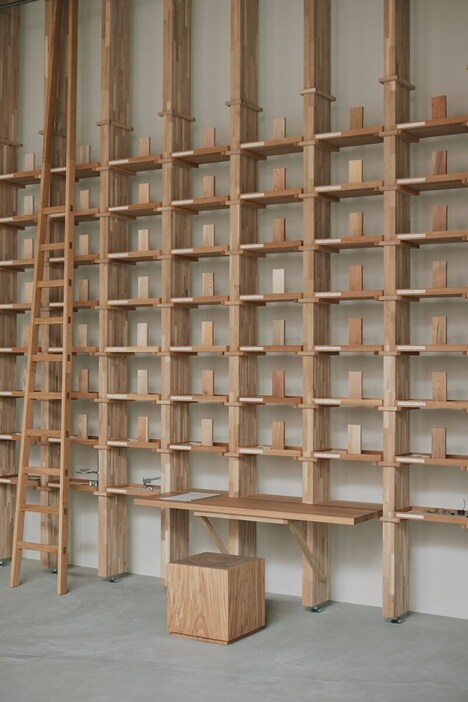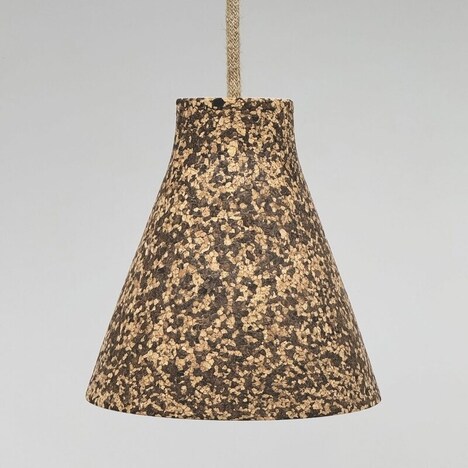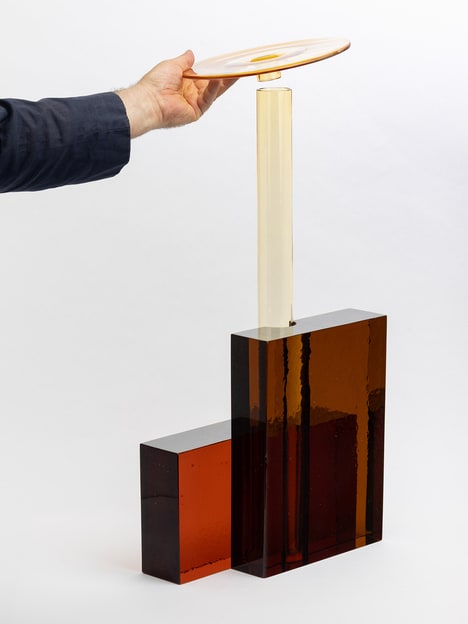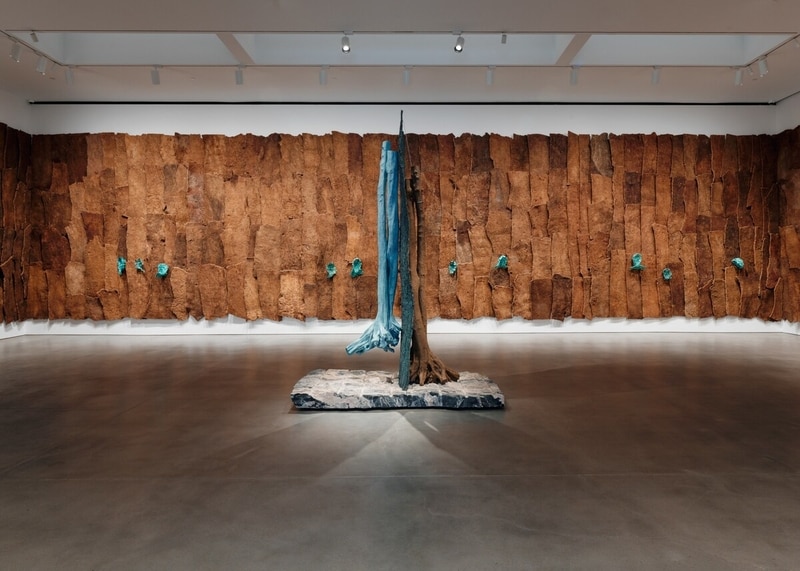
The Portuguese Cork Association has highlighted the material's expanding role in contemporary art through the exhibition 'The Reflection of Bronze' by Italian artist Giuseppe Penone at New York's Gagosian Gallery. At this event, floor-to-ceiling sheets of natural cork are paired with bronze to create an immersive environment that explores themes of time, regeneration, and the human skin's capacity for renewal.
'The Reflection of Bronze' installation is viewable until mid-July. It capitalizes on cork's unique biological cycle, as the bark is harvested from trees that are at least 25 years old and then regrows every nine years, making it a powerful medium for expressing transformation and permanence simultaneously.
Paulo Américo Oliveira, President of the Board at APCOR, shares: "Starting from its ability to retain CO2 to its resistance to high temperatures to its elasticity, there are so many sustainable and beneficial qualities of cork that make it one of nature's greatest wonders. Yet, this installation is an important reminder of cork's beauty, of its connection to humanity and time, and of its incredible ability to tell a story in the expansive hands of artists."
Image Credit: Maris Hutchinson | Courtesy Gagosian
Key Themes Behind This Trend
- Cork-forward Installations
- Natural cork is emerging as a premium artistic medium for immersive environments, creating potential for galleries and brands to differentiate exhibitions through renewable, tactile material storytelling.
- Regenerative Material Storytelling
- Materials with visible biological renewal cycles are gaining cultural value, opening new possibilities for products and spaces that communicate sustainability through origin, texture, and time.
- Biophilic Luxury Design
- High-end interiors and cultural experiences are increasingly blending organic surfaces with refined finishes, signaling room for premium design concepts that make ecological materials feel collectible and sophisticated.
Where This Applies
- Contemporary Art
- Exhibition spaces are expanding beyond traditional media as sustainable materials become central to concept development, enabling more experiential formats rooted in ecology and sensory engagement.
- Interior Design
- Cork’s acoustic, thermal, and visual qualities position it as a disruptive surface material for hospitality, retail, and residential interiors seeking warmth without sacrificing environmental performance.
- Sustainable Materials
- The growing visibility of cork in cultural contexts strengthens demand for bio-based alternatives, giving material innovators a platform to reposition renewable resources as both functional and expressive.