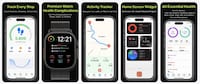

Navigating a busy city like New York requires fast and reliable access to transit information, so NYC Subway Widget is designed to bring real-time departure updates directly to your home screen, eliminating the need to open separate apps.
The tool provides live metro departure times across multiple transit systems, including MTA Subway, buses, NJ PATH, Long Island Rail Road (LIRR), Metro-North, and ferry services. This makes it a centralized hub for urban commuting information. In addition to real-time updates, the app includes an offline map of the entire NYC subway system, allowing users to navigate even without an internet connection.
The widget-based design ensures that key transit information is always visible and easily accessible, helping commuters plan their journeys more efficiently. NYC Subway Widget turns complex transit data into a simple, always-available commuter companion.
Image Credit: NYC Subway Widget
Why This Trend Is Growing
- Glanceable Transit Interfaces
- Always-visible mobility data creates space for commuter tools that reduce app friction and turn lock screens, widgets, and wearables into primary navigation surfaces.
- Unified Commuter Dashboards
- Centralized access to subway, bus, rail, and ferry updates signals potential for platforms that simplify fragmented urban transportation ecosystems into one personalized command center.
- Offline Urban Navigation
- Resilient map access without connectivity highlights a growing market for dependable mobility services designed for tunnels, congestion zones, and network-disrupted environments.
Industries Being Reshaped
- Public Transportation
- Real-time departure visibility across agencies reflects a shift toward passenger-facing data products that can improve perceived reliability and commuter satisfaction.
- Mobile Applications
- Widget-first utility experiences suggest new differentiation for apps that deliver essential information instantly without requiring full-session engagement.
- Smart Cities
- Integrated transit intelligence supports broader urban infrastructure models where live mobility data becomes a foundation for connected commuting, planning, and public service design.