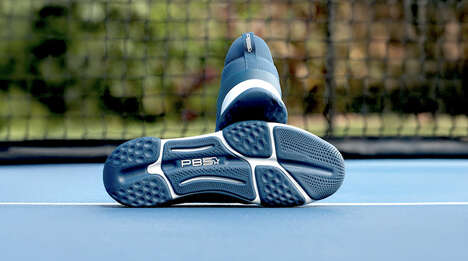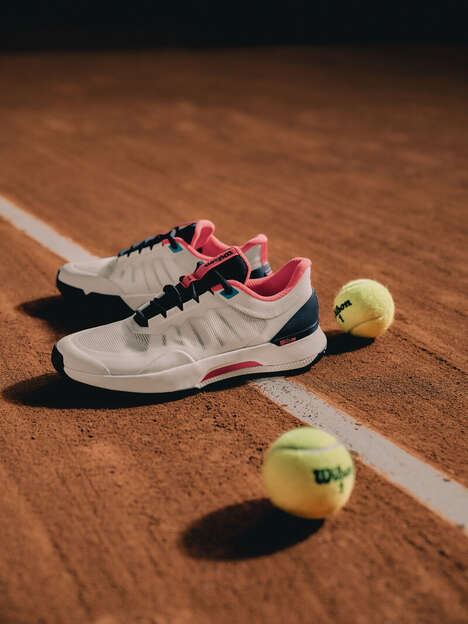
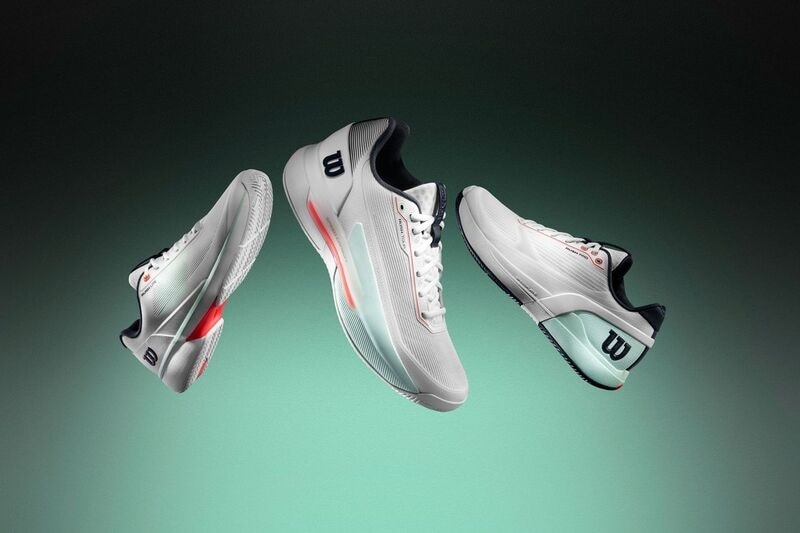
The Rush 5 Tour is the newest men's tennis shoe by Wilson. This model is designed to meet the demands of the modern game's speed, physicality, and relentless movement through a combination of explosive propulsion, stability, and durability. The performance features of the tennis shoe are validated by extensive athlete testing with professionals such as Alex de Minaur and Karen Khachanov.
Wilson developed the Rush 5 Tour over two years using biomechanical analysis and advanced material research. The sneaker features an EndoFit internal midfoot support system that wraps the foot from within to reduce in-shoe movement during aggressive lateral cuts, while a GammaWeave engineered mesh upper adds lightweight structure and breathability precisely where needed. A Pebax midsole in the forefoot delivers responsive energy return inspired by elite running footwear but reimagined for tennis.
Image Credit: Wilson
Key Themes Behind This Trend
- Biomechanics-driven Footwear
- Integration of biomechanical analysis into design is enabling shoes that precisely manage lateral forces and foot stability, potentially redefining performance benchmarks and injury mitigation.
- Energy-return Materials Integration
- Use of responsive polymers like Pebax in midsoles is delivering running-grade propulsion in court shoes, offering a pathway to markedly faster and more durable on-court movement profiles.
- Athlete-validated Product Development
- Products validated through pro-athlete testing are creating higher consumer trust and performance credibility, which may shift market dynamics toward evidence-backed premium offerings.
Where This Applies
- Sporting Goods Manufacturing
- Manufacturing is being reshaped by demands for lightweight structures and integrated support systems, altering supply chains and production techniques for performance footwear.
- Materials Science and Polymer Engineering
- Advanced polymer and mesh engineering is opening possibilities for customizable compliance and breathability, influencing next-generation component innovations.
- Sports Performance Analytics
- Performance analytics that quantify movement and load patterns are becoming central to product validation, influencing how design efficacy is measured and communicated.