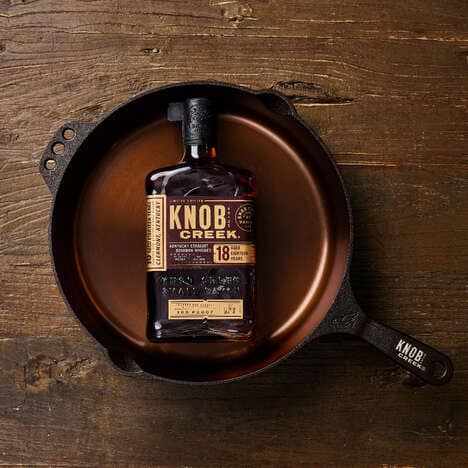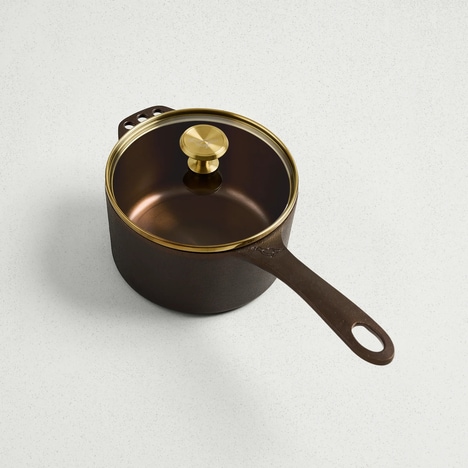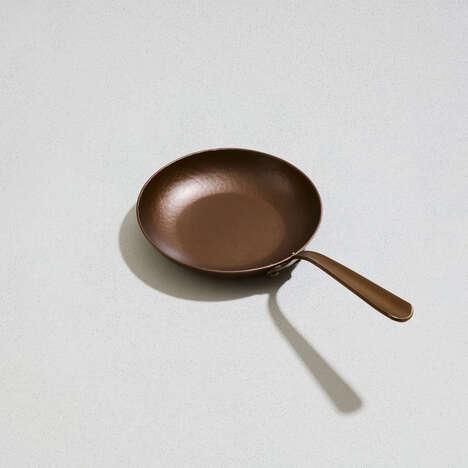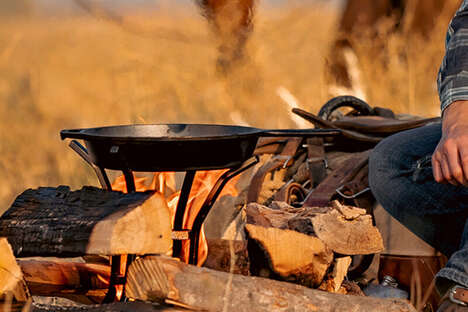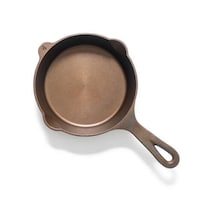
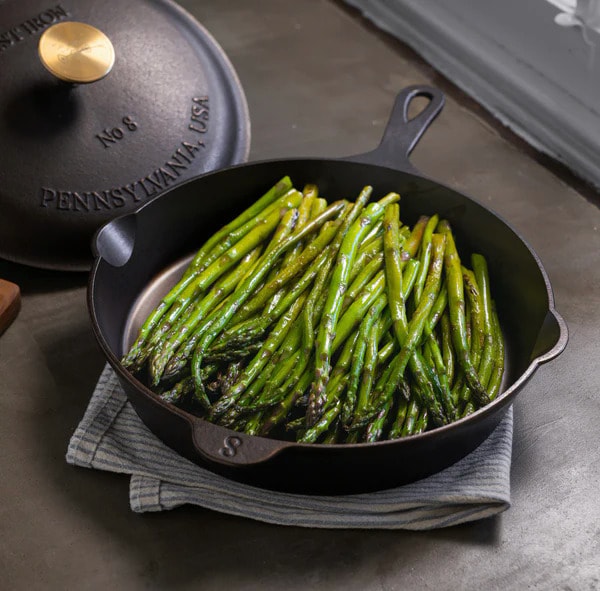
The Lancaster No. 8 Cast Iron Skillet represents a thoughtful revival of classic American cookware. Combining heritage design with contemporary refinements for today's home chefs, the product is manufactured entirely in Lancaster, Pennsylvania.
This 10.5-inch skillet distinguishes itself through its lightweight yet durable construction — the piece weighs only four pounds. The Lancaster No. 8 is also characterized by a smooth, machined cooking surface and balanced heat retention. It also features thoughtful design elements like generous pour spouts, a helper handle for stability, and a pre-seasoned finish using grape seed oil, ensuring immediate non-stick performance without the lengthy break-in period typically associated with cast iron.
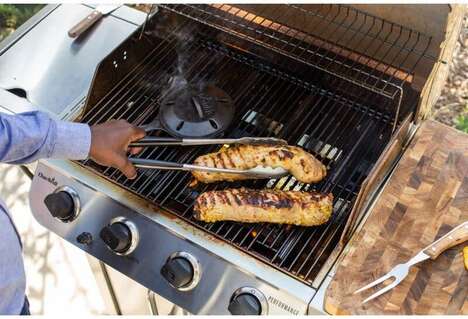
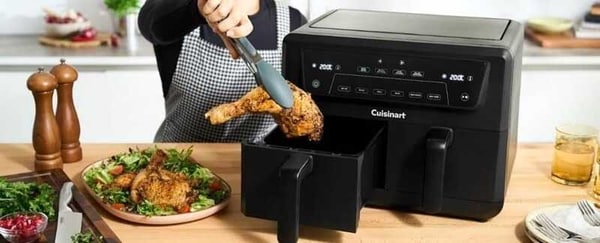
The Lancaster No. 8 Cast Iron Skillet is versatile and can be used on all heat sources — induction, gas, and campfire — and coking methods — searing, baking, and frying.
Image Credit: Lancaster
Key Themes Behind This Trend
- Revival of Heritage Cookware
- There is a resurgence in interest for traditional cookware with modern enhancements, providing consumers with products that blend nostalgia with innovation.
- Lightweight Cast Iron Technology
- Advancements in cast iron manufacturing are enabling the production of skillets that retain durability while being easier to handle, attracting a wider range of users.
- Pre-seasoned Non-stick Innovation
- Pre-seasoned cookware represents a shift towards convenience in culinary products, as it eliminates the need for lengthy preparation processes.
Where This Applies
- Cookware Manufacturing
- The cookware industry is increasingly focusing on the integration of heritage designs with advanced materials to appeal to modern consumers.
- Home and Kitchen Retail
- Retailers in the home and kitchen segment are stocking innovative, yet classically inspired, cookware to meet changing consumer preferences for versatile cooking tools.
- Sustainable Culinary Products
- There is a growing demand for sustainable cooking solutions that marry traditional aesthetics with eco-friendly processes and materials.