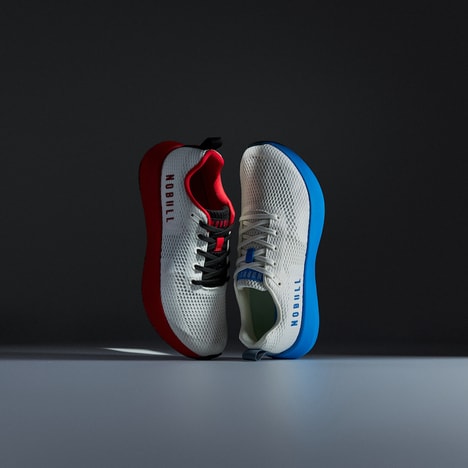
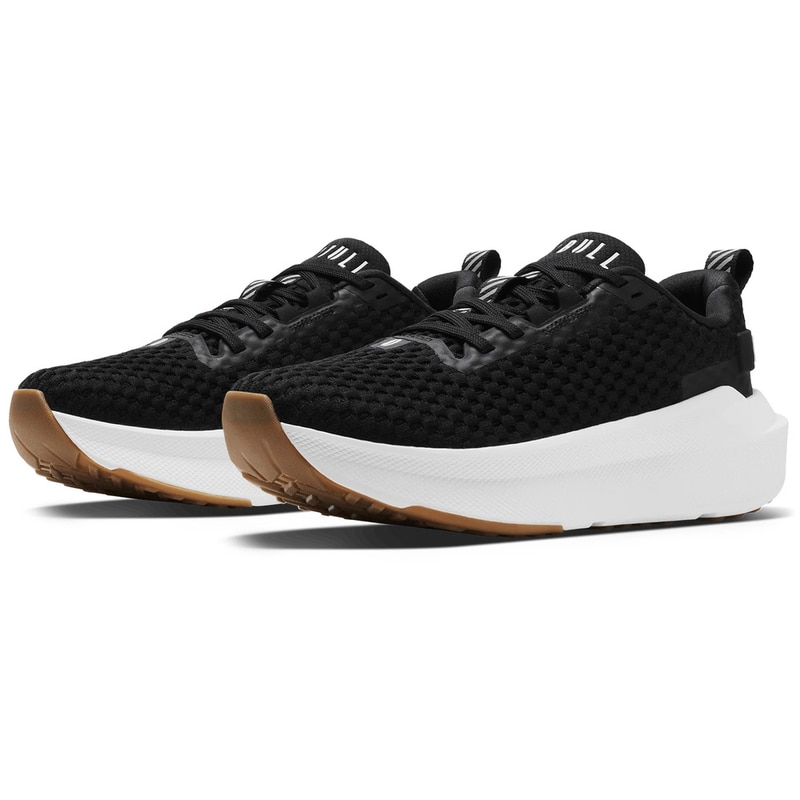
NOBULL's new Journey 2 abandons the performance-obsessed design language that dominates running footwear, trading plate technology and stack height maximalism for a straightforward comfort proposition. The shoe pairs an engineered knit upper with a soft forefoot bootie that requires no break-in, while a CMEVA foam midsole and EVA Strobel footbed deliver consistent cushioning across repeated wear. The multi-surface outsole grips varied terrain without fuss, and sculpted sidewalls provide lateral support—the kind of engineering that stays in the background rather than demanding attention.
What sets Journey 2 apart is its restraint. At 33.5mm heel stack with a 6mm drop, it's pitched as a tool for everyday movement rather than race-day ambition. The shoe's positioning signals a subtle shift in how performance brands talk to distance runners: moving past the pursuit of personal records toward celebrating the act of showing up and putting in miles. The design speaks to runners who've grown skeptical of marketing hype around marginal speed gains, instead prioritizing durability, comfort, and the kind of reliability that makes a shoe worth reaching for day after day.
What's Driving This Trend
- Comfort-first Everyday Footwear
- A market appetite for shoes designed for daily miles rather than peak performance reveals potential for products emphasizing all-day cushioning, ease-of-use, and low break-in time.
- Minimal-performance Aesthetics
- Design restraint that avoids flashy plates and exaggerated stacks opens possibilities for understated footwear that communicates utility and reliability instead of race-focused tech.
- Durability and Consistent Cushioning
- Growing consumer skepticism toward marginal speed gains points to demand for constructions and materials engineered for long-term resilience and repeatable comfort across varied terrains.
Who This Affects Most
- Athletic Footwear
- Product roadmaps centered on everyday use rather than elite performance create room for new models that blend pragmatic support, simplified features, and competitive pricing.
- Retail and Direct-to-consumer
- Shifts in consumer values toward reliability and repeat purchase behavior suggest a retail experience that highlights longevity metrics and real-world use cases could reshape buying decisions.
- Performance Materials and Foam Technology
- Demand for consistent, soft cushioning across many miles signals opportunity for novel foam formulations and knit-bootie integrations that balance durability with immediate comfort.