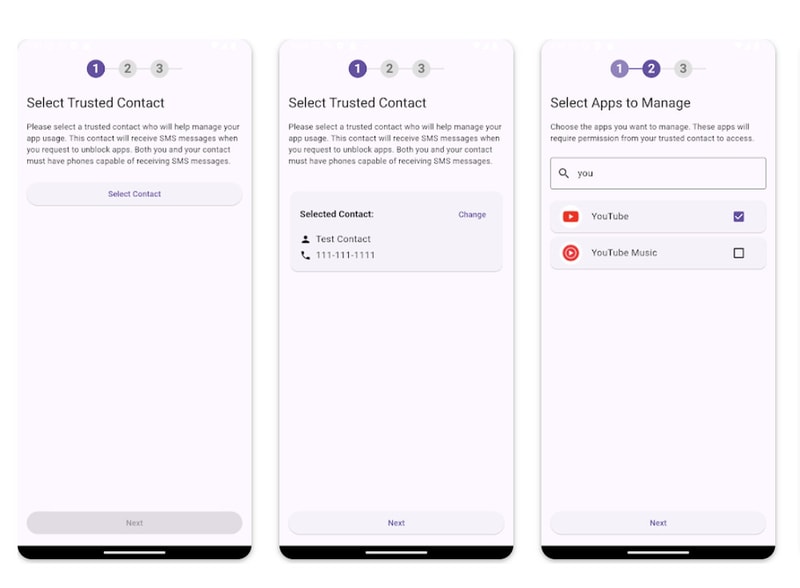
Impulse Buddy enters the digital wellbeing and productivity space with a hybrid approach to app restriction and social accountability. Instead of fully blocking or unrestricted access, it introduces a permission-based system where a chosen “buddy” can approve app usage remotely.
From a business perspective, this reflects a shift in behavioural productivity tools toward socially reinforced habit management, rather than purely automated restriction systems. The model targets users struggling with digital overuse but resistant to strict blocking mechanisms, positioning itself between discipline and flexibility. It aligns with broader trends in personalised productivity systems that incorporate human interaction into digital behaviour change. Its effectiveness will likely depend on user trust dynamics, friction in approval workflows, and whether social accountability improves long-term habit formation without introducing dependency on external validation for routine device usage decisions.
Image Credit: Impulse Buddy
Why This Trend Is Growing
- Socially-mediated Digital Discipline
- A move away from solitary, automated locks toward socially reinforced accountability creates room for products that leverage interpersonal dynamics to sustain behavior change.
- Permission-based App Access
- Introducing remote approval gates for app usage signals a new control paradigm where access privileges are negotiated in real time between users and trusted peers.
- Human-centered Digital Wellbeing
- Personalized productivity systems that embed human relationships into digital habit design highlight opportunities to blend behavioral science with social features for sustained engagement.
Industries Being Reshaped
- Mental Health Services
- Therapists and counseling platforms could integrate social-accountability mechanisms to augment treatment for impulse control and digital dependency conditions.
- Enterprise Productivity Software
- Workplace tooling that incorporates colleague-mediated permission flows may redefine policy enforcement and peer-based productivity norms across organizations.
- Mobile OS and App Platforms
- Operating system vendors and app stores stand to benefit from native APIs and frameworks for permission-mediated usage controls that change how third parties manage user attention.