
OpenAI introduced Image Generation 2.0, a new image model designed to produce complex visual layouts and narrative art, featuring multi-panel composition and layered scene control. The system can generate magazine spreads, comic-book pages and cohesive multi-image sequences from prompts, with attention to layout coherence and stylistic consistency.
The update included refinements to prompt fidelity, improved inpainting and tools for arranging panels and text elements, plus controls for color palettes and perspective. These features aim to streamline workflows for designers and creators who need rapid visual prototyping and serialized assets.
For creators, Image Generation 2.0 reduces iteration time and enables nontechnical users to produce polished layouts, reflecting a broader trend of AI assuming creative director–style roles in content production.
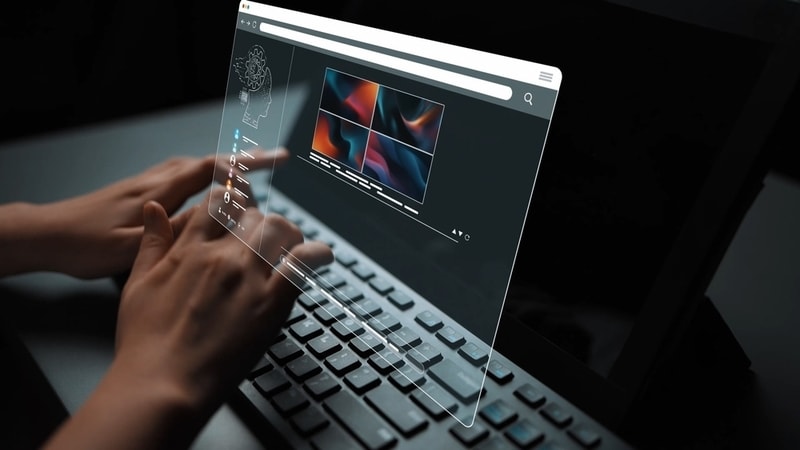
Image Credit: Digineer Station / Shutterstock
What Makes This Trend Stand Out
- Multi-panel Narrative AI
- The ability to generate coherent multi-image sequences and comic-style panels opens possibilities for serialized visual storytelling produced at scale by algorithmic systems.
- Layout-aware Generative Models
- Models that maintain layout coherence and typographic placement enable automated production of complex spreads and templated design assets with consistent composition.
- Democratized Creative Direction
- Nontechnical users gaining access to director-level controls for style, palette and perspective signals a shift toward AI-mediated creative decision-making across skill levels.
Sectors Adopting This
- Publishing and Magazines
- Magazine production workflows could be transformed by automated multi-page layout generation and rapid prototyping of editorial spreads driven by generative models.
- Advertising and Marketing Agencies
- Agencies stand to see campaign asset pipelines disrupted as AI systems produce cohesive multi-format visuals and A/B-ready variations with minimal manual layout intervention.
- Game Development and Storyboarding
- Game studios and previsualization teams may leverage multi-panel narrative generation for faster concept iteration and branching story sequence visualization.