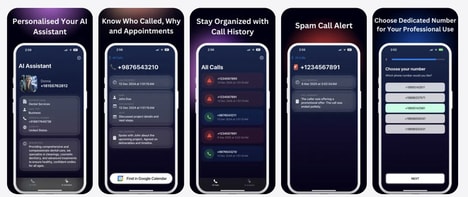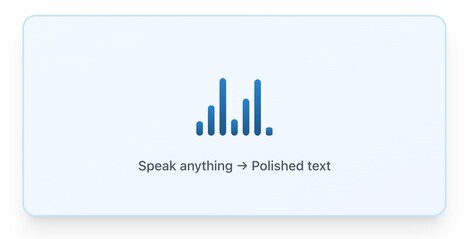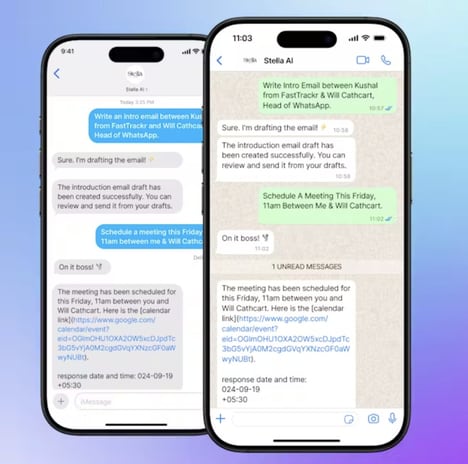
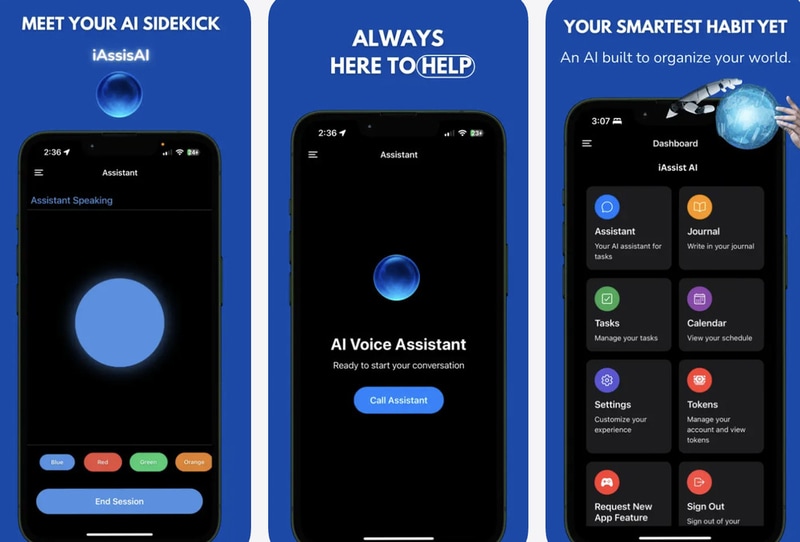
iAssist AI is a voice-first productivity assistant designed to help users manage personal organisation tasks through spoken input. It allows individuals to capture ideas, plan daily activities, and track goals using conversational interaction rather than manual data entry.
The system is structured to convert voice commands into organised tasks or notes, supporting hands-free productivity workflows. It is typically used by individuals seeking a simplified approach to scheduling and personal management, particularly in fast-paced or multitasking environments. The tool integrates multiple productivity functions into a single interface, aiming to reduce friction between intention and execution. iAssist AI reflects broader trends in voice-enabled software, where natural language interfaces are used to streamline digital organisation and task management, making productivity systems more accessible and less reliant on traditional input methods such as typing or manual scheduling.
Image Credit: iAssist AI
What Makes This Trend Stand Out
- Voice-first Productivity
- A shift toward voice-native interfaces that convert spoken intent into structured tasks and notes could redefine how people capture and manage time-sensitive work.
- Conversational Task Automation
- Natural language parsing paired with contextual scheduling logic is enabling automated workflows that remove manual data entry from routine planning.
- Unified Productivity Interfaces
- Combining capture, planning, and tracking in a single conversational layer presents opportunities to streamline fragmented app ecosystems into cohesive user experiences.
Sectors Adopting This
- Personal Productivity Apps
- Consumer-facing planners and to-do apps stand to be upended by voice-driven assistants that prioritize hands-free, momentary capture over traditional typing-based input.
- Enterprise Collaboration Platforms
- Workplace tools could be transformed by voice-enabled meeting capture and task generation that turn conversations into assignable action items and timelines.
- Accessibility and Assistive Technology
- Assistive solutions could expand through conversational systems that offer non-visual task management for users with mobility or dexterity limitations.