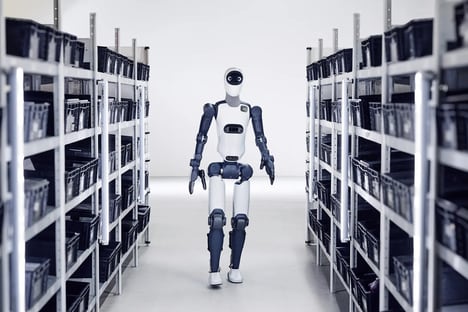
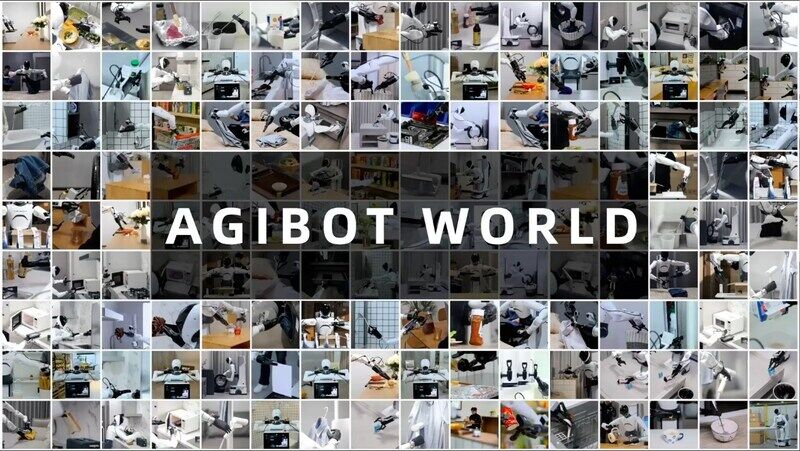
AgiBot has unveiled AgiBot World — the most extensive dataset for humanoid manipulation to date, which sets a new standard for advancements in general-purpose robotic intelligence. This dataset — along with its associated models, benchmarks, and collaborative framework — is designed to address critical gaps in current robotic learning. By overcoming limitations such as low-quality data and restricted sensing capabilities, AgiBot World promises to function effectively in dynamic, real-world environments.
Spanning over one million trajectories from 100 robots, the dataset features scenarios that reflect real-world complexities across various domains, including fine-grained manipulation and multi-robot collaboration. Its cutting-edge multimodal hardware includes advanced tactile sensors, dual-arm robots with whole-body control, and durable manipulation tools. This general-purpose robotic intelligence initiative invites both academic and industry participation, aiming to democratize access to high-quality robotic data and foster collaboration in the field of Embodied AI.
Image Credit: AgiBot
What Makes This Trend Stand Out
- General-purpose Robotic Intelligence
- This trend introduces a revolutionary approach to robotic system versatility by employing advanced datasets for real-world operative tasks.
- Collaborative Embodied AI Frameworks
- The creation of shared benchmarks and models is transforming robotic learning into a collective and integrative practice.
- Multimodal Robotic Hardware Advancement
- Innovations in tactile sensing and dual-arm control are enhancing the capability of robots to handle complex, diverse, and fine-grained tasks.
Sectors Adopting This
- Robotics
- The robotics industry stands to gain from these advancements by adopting improved intelligence systems and sensing technologies.
- Artificial Intelligence
- AI fields are increasingly leveraging comprehensive datasets to refine algorithmic learning in physical environments.
- Data Science
- The aggregation and analysis of immense robot-generated datasets open new doors for data science applications in automation and machine learning.