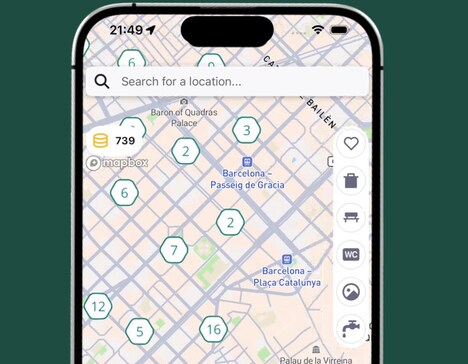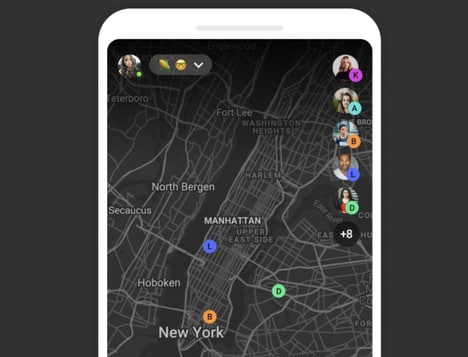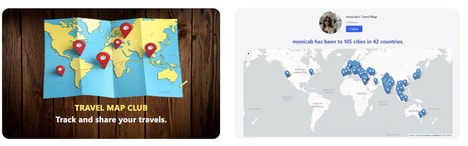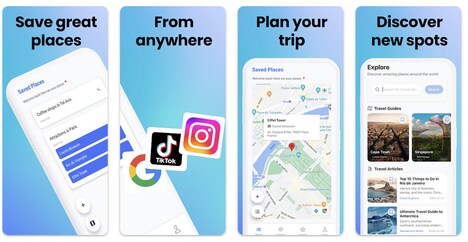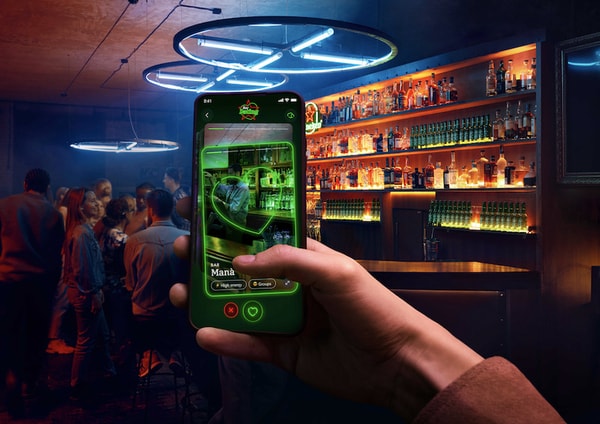
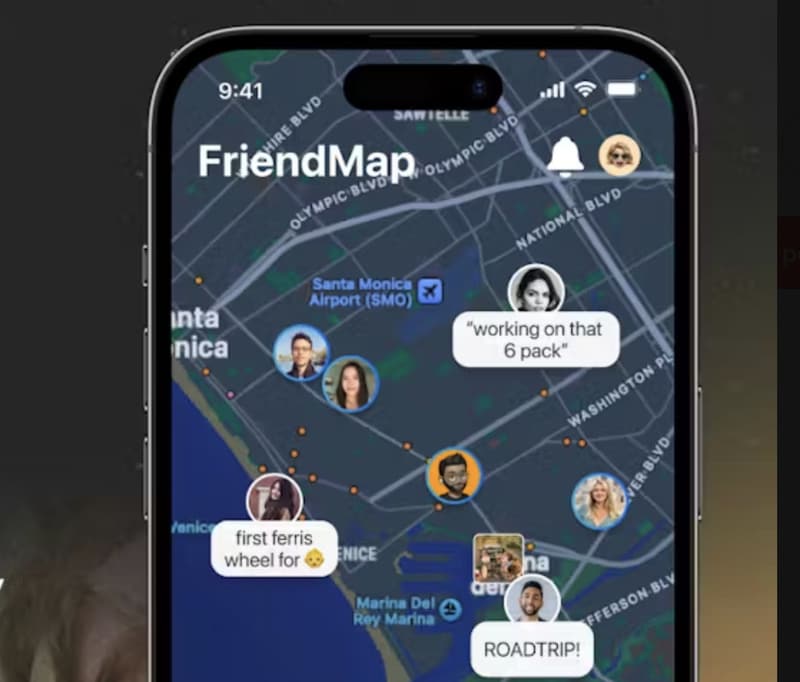
FriendMap is a location-sharing social application designed to streamline how users stay connected with friends through real-time geographic visibility. The platform focuses on simplicity, allowing users to see where friends are, what activities they are engaged in, and their planned movements without the complexity often associated with broader social media ecosystems.
By prioritizing presence and proximity over content feeds, the app positions itself within a growing category of utility-driven social tools centered on coordination and in-person interaction. From a business perspective, FriendMap reflects shifting consumer preferences toward lightweight, purpose-built platforms that reduce digital noise while maintaining social connectivity. The model highlights opportunities in contextual social networking, where location data enhances engagement and encourages offline interaction, potentially supporting new forms of event discovery, social planning, and localized community experiences.
Image Credit: FriendMap
What Makes This Trend Stand Out
- Presence-centric Social Apps
- Real-time presence replacing feed-driven networks, spawning micro-coordination services and lightweight scheduling ecosystems.
- Contextual Location Services
- Location-aware context layered onto social graphs, creating opportunities for dynamic recommendations, hyperlocal discovery, and activity-aware notifications.
- Privacy-first Proximity Networking
- Stronger emphasis on ephemeral and consented sharing, reframing proximity-based connections to prioritize selective visibility and data minimization.
Sectors Adopting This
- Event Discovery and Local Experiences
- Hyperlocal, presence-informed discovery models that tailor listings and meetups to where people actually are, altering how events are surfaced and monetized.
- Urban Mobility and Transportation
- Real-time friend clustering and movement data that could inform on-demand routing, shared rides, and microtransit schedules based on social proximity patterns.
- Retail and Location-based Commerce
- Proximity-driven shopper presence signals that can reshape in-store engagement, localized offers, and pop-up retail strategies tied to real-time foot traffic.