
Phoenix Sky Harbor International Airport is highlighting its comprehensive accessibility resources in recognition of Disability Pride Month. The destination offers a range of services and programs designed to support travellers with physical, sensory, cognitive, and hidden disabilities.
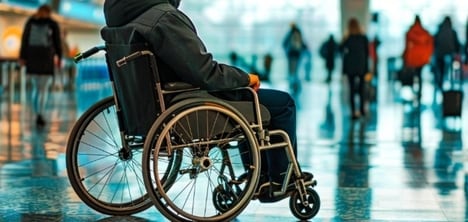
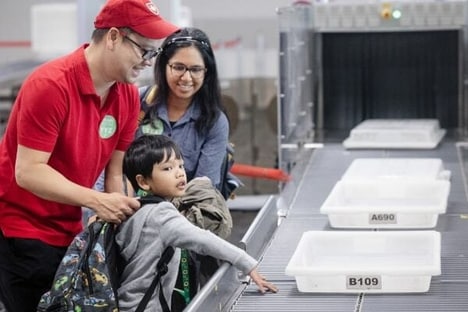
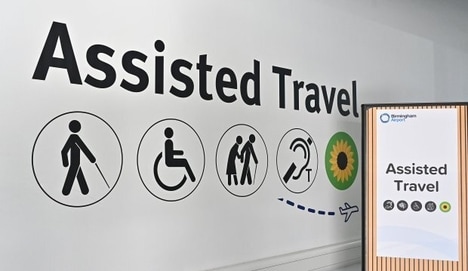
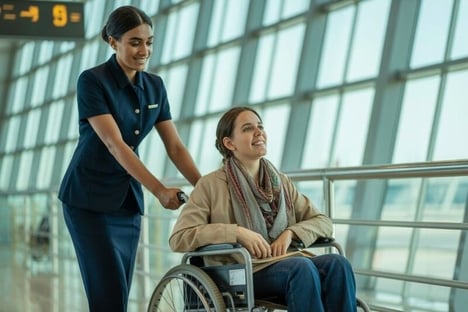
Phoenix Sky Harbor International Airport provides wheelchair assistance, which can be requested in advance through airlines or upon arrival at the terminal, along with Compassion Cacti lanyards that discreetly signal to staff that a passenger may need extra time or support. Free Navigator Support Guides are available to help passengers navigate the airport experience, and a dedicated Compassion Corner in Terminal 4 includes a sensory room for quiet breaks, an all-faiths chapel, and an accessibility office. For travelers with dementia, the airport is certified as dementia-friendly and hosts free workshops in collaboration with airlines and the TSA to provide practical tips for caregivers and individuals living with the condition. Vision accessibility is supported through free apps like Aira, offering real-time visual interpreting, and ReBokeh, which uses customized filters and AI to provide personalized visual assistance.
Image Credit: Phoenix Sky Harbor International Airport
What Makes This Trend Stand Out
- Inclusive Airport Navigation
- Airports are broadening accessibility ecosystems with sensory rooms, visual interpreting apps, and guided support tools that create new value in more personalized passenger journeys.
- Hidden Disability Signaling
- Discreet identifiers such as support lanyards are reshaping service interactions by enabling staff to recognize non-visible needs without requiring travelers to repeatedly self-advocate.
- Dementia-friendly Travel
- Specialized caregiver workshops and certified dementia-friendly operations reveal emerging potential for travel environments designed around cognitive accessibility and reduced stress.
Sectors Adopting This
- Air Travel
- Passenger experience differentiation is increasingly tied to universal design, assistive technologies, and accessibility programs that serve a wider range of mobility and sensory needs.
- Assistive Technology
- AI-powered visual support, real-time interpretation, and adaptive filtering applications are expanding the role of digital tools in public-space independence.
- Healthcare Services
- Collaboration between airports, caregivers, and support organizations reflects a growing intersection between mobility infrastructure and condition-specific care models.