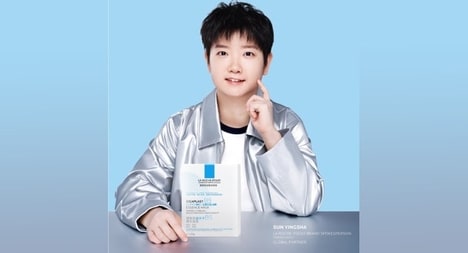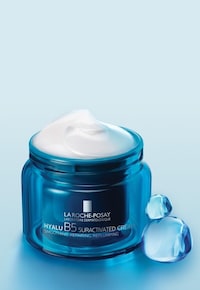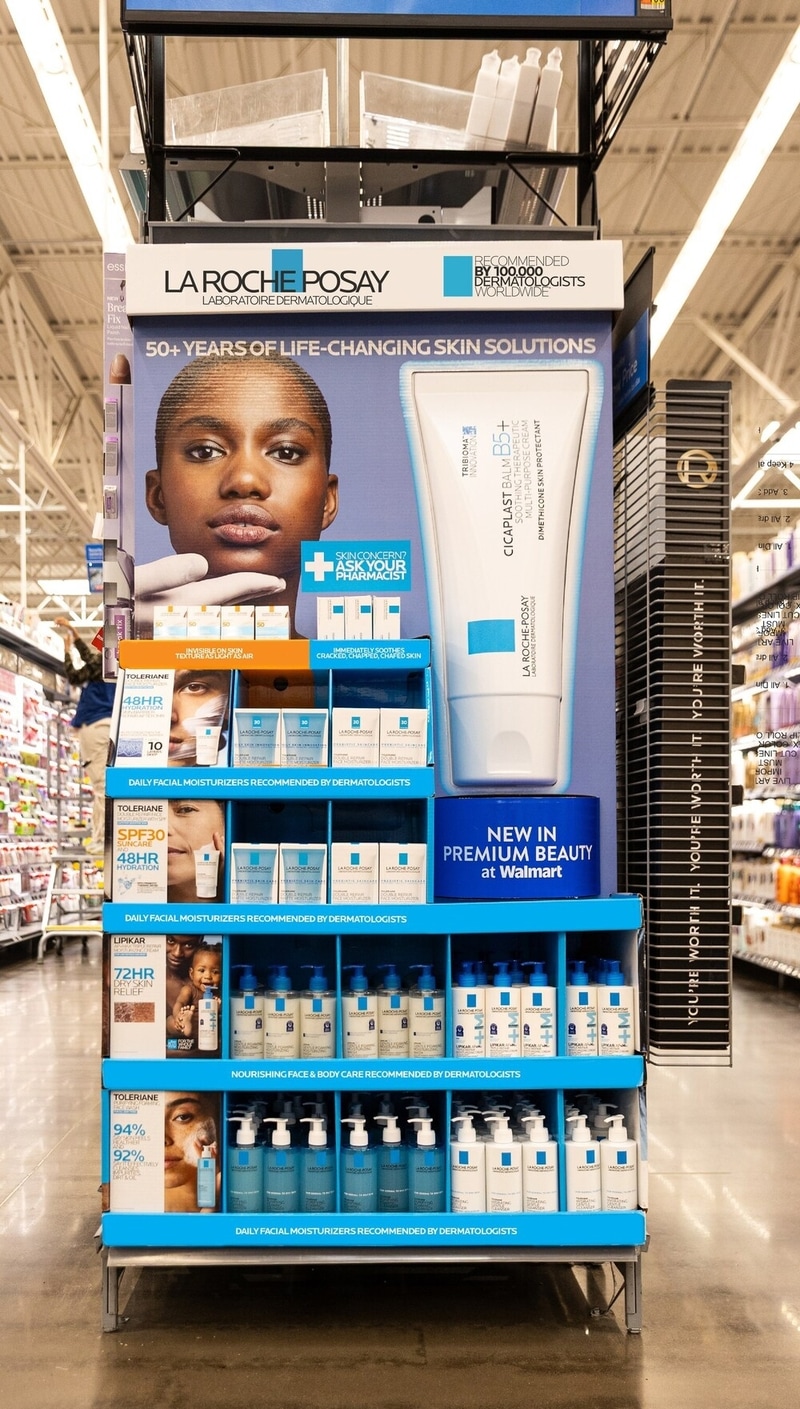
La Roche-Posay has expanded its retail presence by launching into 1,460 Walmart stores nationwide, making its clinically proven and dermatologist-recommended skincare products accessible to a much broader audience than the brand previously reached through more limited distribution channels.
The La Roche-Posay assortment at Walmart includes best-selling items such as the Toleriane Double Repair Moisturizer, Anthelios Ultra Light Fluid Face Sunscreen SPF 60, Cicaplast Balm B5, Effaclar BPO Acne Treatment, and Hyalu B5 Serum. These products are formulated with the brand's signature Thermal Spring Water and backed by over 750 clinical studies. The collaboration also includes specialized training for Walmart pharmacists to serve as skincare advisors, which means shoppers can receive personalized consultations about complex issues.
Consumers would be interested in La Roche-Posay's expansion because it dramatically lowers the barrier to obtaining professional-grade, dermatologist-recommended skincare.
Image Credit: La Roche-Posay
Why This Trend Is Growing
- Mass-market Clinical Skincare
- Bringing clinically validated, dermatologist-recommended formulations into big-box retail channels creates scope for scaled product lines that preserve clinical credibility while reducing unit costs.
- Retail-based Skincare Consultations
- Training in-store pharmacists and associates to provide personalized skin assessments introduces a new frontline advisory model that blends retail convenience with professional guidance.
- Branded Science Transparency
- Prominent citation of clinical studies and signature ingredients at point of sale makes space for transparent, evidence-forward marketing tools that shift consumer trust toward science-backed brands.
Industries Being Reshaped
- Retail Pharmacy
- Walmart’s adoption of dermatologist-grade ranges signals opportunities to reconceive pharmacy layouts and service offerings around clinical skincare specialties rather than solely medications.
- Consumer Skincare
- The move to mass retail channels indicates potential for reformulated product tiers and subscription models that democratize access to professional-strength actives.
- Dermatology Services
- Expanded availability of trusted OTC clinical products suggests new hybrid care pathways where dermatologists collaborate with retail partners for remote monitoring and product-driven treatment plans.