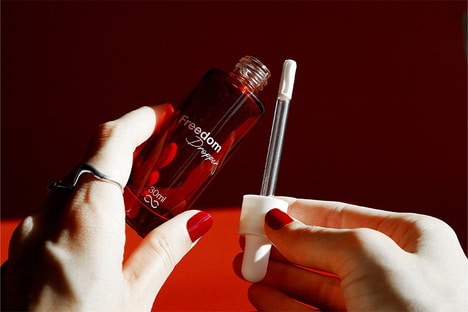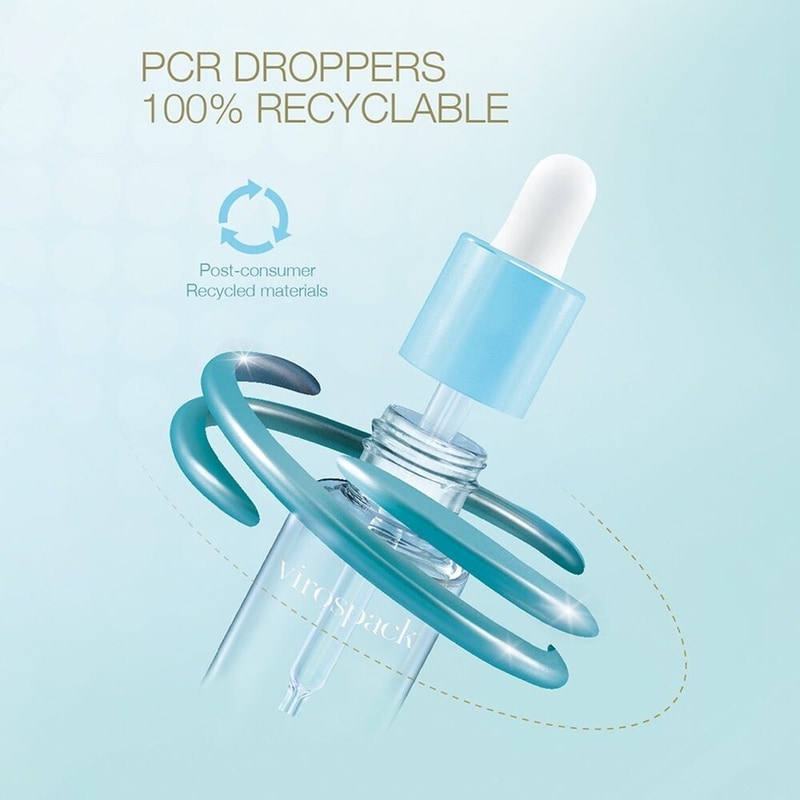
Virospack launched a new range of cosmetic droppers made with high percentages of post-consumer recycled (PCR) materials across all components, featuring PCR polypropylene collars and pipettes alongside PCR thermoplastic elastomer bulbs. The collection is designed to pair with the brand’s glass vials and supports capacities from 2 ml to 50 ml, with neutral chemistry suited for sensitive skincare formulations.
The line offers extensive customisation options, including multiple models, standard neck finishes, pipette lengths, tip shapes and colour finishes, while integrating with tubular vials without requiring new mould investments. Virospack positioned the range as a way to reduce CO2 emissions and improve end-of-life recyclability through the use of recyclable glass and recycled polymer components.
For beauty brands and consumers, the dropper system is designed to maintain familiar performance while strengthening sustainability credentials and enabling clearer communication around recycled content and recyclability. The modular format also supports brand differentiation without compromising formulation compatibility.
Image Credit: Virospack
What's Driving This Trend
- High-content PCR Packaging
- The substitution of primary dropper components with high percentages of post-consumer recycled polymers enables packaging portfolios to materially lower cradle-to-gate carbon footprints while retaining functional parity.
- Modular Dropper Systems
- Interchangeable collars, pipettes and bulbs that fit existing glass vials create flexible platforms for rapid SKU differentiation without parallel tooling investments.
- Neutral-chemistry Recycled Components
- Formulation-compatible recycled polypropylene and TPE parts that do not interact with sensitive actives open pathways for broader adoption of recycled materials in high-efficacy skincare products.
Who This Affects Most
- Beauty and Personal Care
- Brands focused on serums and active treatments gain clearer sustainability claims and premium positioning when packaging communicates recycled content and recyclability.
- Packaging and Component Manufacturing
- Suppliers that standardize modular, PCR-capable components can capture demand from multiple brands seeking low-CO2, retrofit-friendly solutions.
- Recycling and Sustainable Polymers
- Development of higher-quality post-consumer feedstocks and compatibilizers could expand the usable fraction of recycled polymers for precision components like pipettes and soft-touch bulbs.