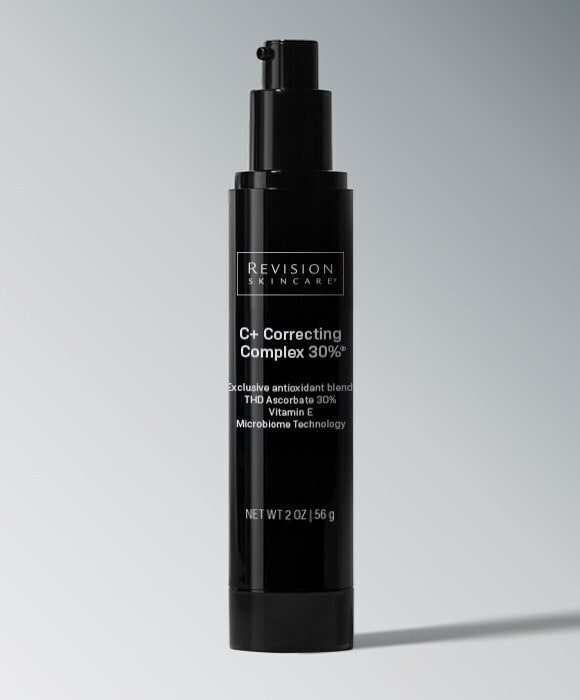
Revision Skincare has announced the publication of two peer‑reviewed clinical studies in the Journal of Cosmetic Dermatology that demonstrate the cosmetic benefits of its product, the C+ Correcting Complex 30%.
The offering is marketed as a high‑strength vitamin C serum formulated with tetrahexyldecyl ascorbate (THD ascorbate). Thanks to its scientific validation, Revision Skincare's C+ Correcting Complex 30% delivers a trustworthy and validated alternative to traditional vitamin C serums that often suffer from instability, poor skin penetration, and irritation. THD ascorbate is lipid‑soluble, meaning it more readily associates with the skin’s natural oil barrier to reach deeper layers where it can actually provide benefits.
The studies found that regular use of Revision Skincare's C+ Correcting Complex 30% led to visible improvements in overall skin appearance, increased radiance and improvements in complexion, more even tone and texture, and a reduction in photodamage and uneven pigmentation.
Image Credit: Revision Skincare
What's Driving This Trend
- Clinically Backed Cosmetics
- Evidence from peer‑reviewed studies is reshaping consumer trust in beauty products, enabling formulations that command premium pricing through verified efficacy.
- Lipid-soluble Vitamin C Formulations
- The use of THD ascorbate highlights a shift toward oil‑compatible actives that improve skin penetration and stability compared with traditional water‑soluble vitamin C.
- High-strength Stable Actives
- Stable, concentrated active ingredients are reducing the tradeoffs between potency and irritation, opening space for performance‑focused product lines.
Who This Affects Most
- Skincare Retail
- Clinically validated serums are likely to change retail assortments toward evidence‑led brands and personalized merchandising strategies.
- Dermatology Clinics
- Dermatologists may integrate proven cosmeceuticals into treatment regimens as adjuncts to clinical procedures, altering patient care pathways.
- Cosmetic Ingredient Manufacturing
- Demand for stabilized, lipid‑soluble actives could drive investment in novel synthesis and encapsulation technologies for ingredient suppliers.