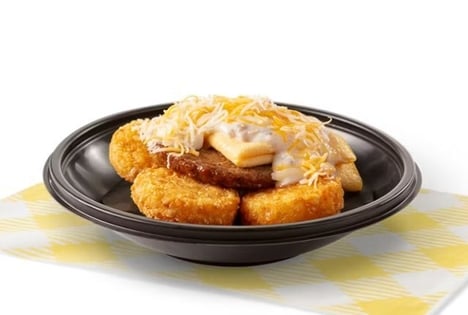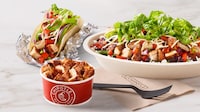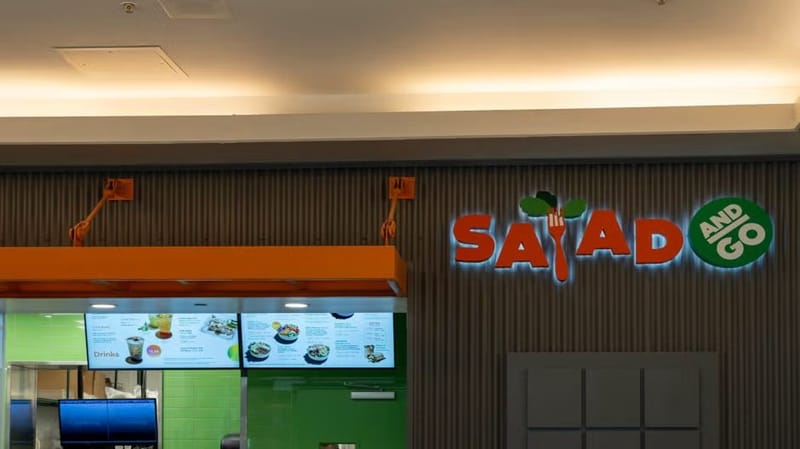
Salad and Go, a modern drive-thru-only fast-food brand operating primarily in Arizona and Nevada, has launched an entirely new breakfast menu. This QSR offering includes delectable items such as the Big AZ Breakfast Burrito, alongside breakfast quesadillas, breakfast bowls, breakfast combos, and a build-your-own option.
Salad and Go’s new breakfast menu is designed to be protein-forward, with the largest burritos and bowls delivering over 40 grams of protein each, starting at $6.99, while quesadillas are priced as low as $2.99.
The rollout responds to a growing consumer focus on protein intake across all meals, a trend supported by recent market research indicating that nearly 60% of global shoppers actively seek out protein in their daily food choices.
Image Credit: Salad and Go
Key Themes Behind This Trend
- Protein-forward Breakfasts
- A consumer shift toward high-protein morning meals that pair substantial portion sizes with low price points, presenting new formats for nutritionally dense quick-service offerings.
- Drive-thru-only Service Models
- The expansion of storefront-free, drive-thru-first QSR concepts that prioritize speed, reduced real-estate costs, and streamlined operations for high-turn breakfast periods.
- Value-priced Health Options
- Growing demand for affordable yet health-focused menu items is reshaping price-to-nutrition expectations and enabling scaled models of healthy fast food.
Where This Applies
- Quick-service Restaurants
- Heightened interest in protein-centric breakfasts is transforming menu development and store formats toward larger-portion, nutritionally marketed offerings within the QSR sector.
- Food Tech and Personalization
- Build-your-own and configurable meal platforms are gaining importance as consumers seek tailored macronutrient profiles and faster customization at the point of sale.
- Protein Supply Chain and Ingredients
- Demand for cost-effective, high-quality protein ingredients is driving innovation in sourcing, processing, and alternative protein formulations to meet volume and margin pressures.