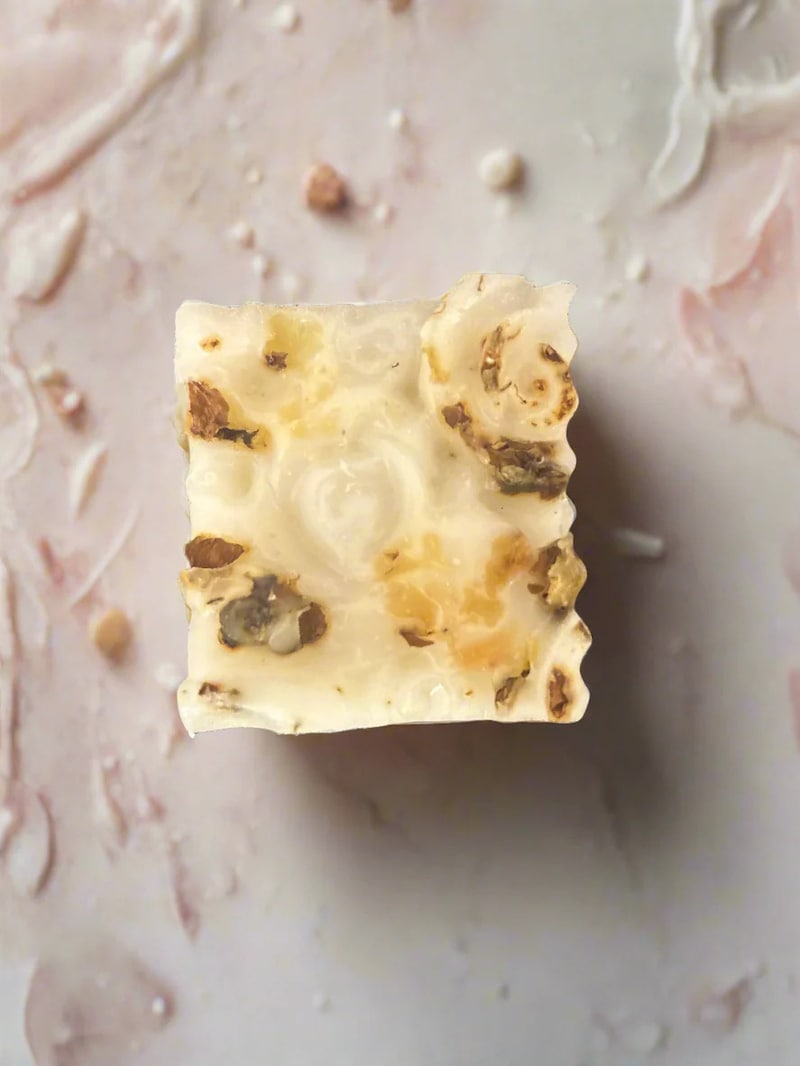
The 'Cloud Baby Bar' from Caldre is a soothing baby soap that is formulated to gently cleanse while supporting hydration and comfort for sensitive skin.
The formulation emphasizes botanical and mineral ingredients that work together to purify and calm the skin. Aloe contributes hydrating benefits while white kaolin clay, which has been used for centuries thanks to its ability to provide gentle exfoliation and soothing without overt drying, acts to provide a soothing and supple finish.
Priced at $29 per bar, this baby soap is crafted using cold-processing techniques, which are prized for increasing hydration capabilities and preserving essential oils without the use of synthetic chemical shortcuts. What's more, cold-processed soap is known to have a creamier and smoother texture, making for a more comfortable cleansing experience for babies and toddlers alike.
Image Credit: Caldre Wellness
Key Themes Behind This Trend
- Botanical-first Baby Care
- Rising consumer preference for plant-derived, hydration-focused formulations highlights opportunities for new gentle ingredient systems tailored to neonatal skin sensitivity.
- Cold-processed Personal Care
- Cold-processing techniques that preserve essential oils and create creamier textures point to differentiation through formulation methods that emphasize active retention and tactile experience.
- Premium Solid Cleansers
- Premium-priced soap bars that combine concentrated efficacy with low-waste formats indicate potential for high-margin solid products that replace liquid counterparts.
Where This Applies
- Infant Skincare
- Demand for ultra-gentle, hydrating products in baby care suggests room for clinically validated botanical lines focused on barrier support and minimal-ingredient claims.
- Natural Cosmetics Manufacturing
- Manufacturers specializing in artisanal, small-batch production could leverage cold-processing to offer preserved actives and premium sensory profiles.
- Sustainable Packaging and Retail
- Retailers and packagers adapting to solid, low-waste formats face opportunities to rethink dispensers, refill ecosystems and on-shelf presentation for premium hygiene products.